LAW, WAR, AND HUMANITY
The law of war in ordinary language
General Orders No. 100, issued to the Union Army on 24 April 1863, is commonly called the Lieber Code. They are the same document. It was the first detailed U.S. Army code to state rules for conduct in war, and it became an important precursor to later international law, including the Hague and Geneva systems.
The Lieber Code addressed military necessity, prisoners of war, civilians and private property, spies, flags of truce, the wounded and dead, punishment, and military discipline. It governed the conduct of Union forces toward enemies and persons affected by hostilities. It did not regulate racial discrimination within the Union Army. Because it was a Union military order, it did not legally bind Confederate forces.
Union and Confederate soldiers pause fighting for a truce to recover the body of a dead Union soldier from the battlefield, consistent with the law of war.
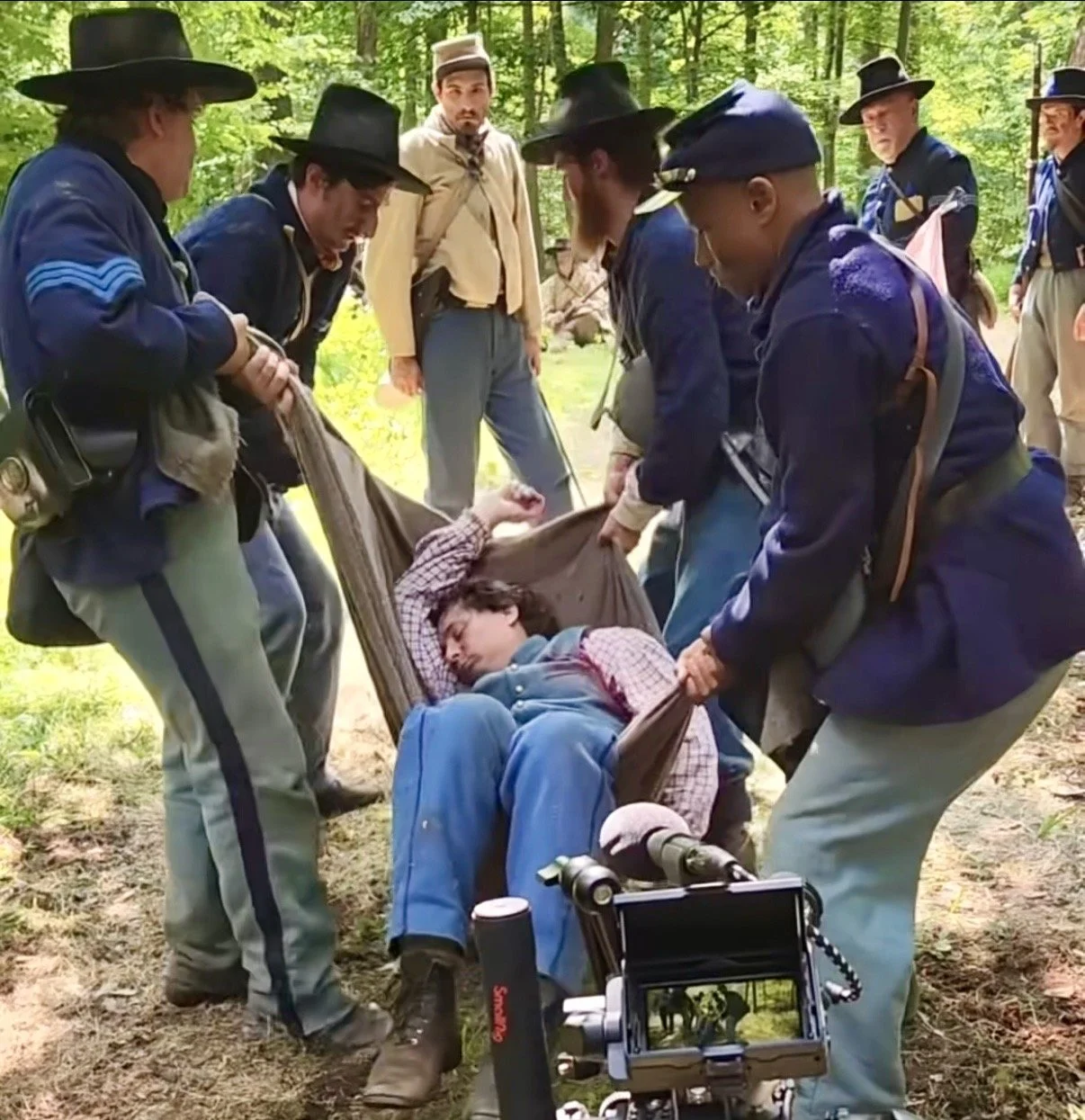
Flags of truce
A white flag could be used to request communication or a protected approach between opposing forces. It did not automatically mean surrender.
Wounded and dead
The code addressed humane treatment of wounded persons and respect for those no longer taking part in combat, including the dead.
Prisoners of war
The code set rules for capture and detention and rejected private revenge against prisoners.
Foraging and property
Foraging meant soldiers obtaining food, animal feed, and other supplies from the countryside for military use. Ordered foraging was different from private pillage or looting.
Military necessity
Military necessity allowed force needed to achieve legitimate military objectives, but it did not make every act of violence lawful.
What the code did not regulate
The Lieber Code did not address unequal pay, discrimination, or other internal treatment of Black soldiers within the Union Army. Those were separate questions
Appendix IV of Killed at Resaca on the Big Screen reproduces selected articles of General Orders No. 100 and provides a fuller discussion of the law of war.