THE MOTION PICTURE
Ambrose Bierce’s Civil War-era story, brought to the screen
Killed at Resaca adapts Ambrose Bierce’s 1887 story of Lieutenant Herman Brayle, an admired Union officer whose conspicuous fearlessness becomes a problem of pride, judgment, duty, and consequence.
By the first day of principal photography, Jacob L. T. Bates’s screenplay had reached version eighteen. Six shooting days then turned a literary story into fragments of battlefield action, camp life, headquarters scenes, train travel, domestic interiors, body recovery, music, and postwar memory.
Combat scenes were shot at Monterey Pass Battlefield Park, Pennsylvania, where a battle was fought as Confederate troops withdrew following the Battle of Gettysburg. Scenes were shot in Gettysburg, at the Lincoln Train Museum, and at Langdon Hill House.
The production depended on actors, reenactors, camera and sound crews, wardrobe, makeup, practical effects, families, property owners, volunteers, and preservation partners.
Historical-film mentorship — Brad Graham
Noted filmmaker and author Brad Graham, including for works such as Antietam, advised Jacob, participated in production discussions, took over as director when Jacob was acting, and held an indispensable role in making of Killed at Resaca.
Ron Maxwell, who directed the film Gettysburg, also figured into Jacob’s efforts — Jacob interviewed Maxwell twice in 2026, before and immediately after filming.
The letter that sets the story in motion
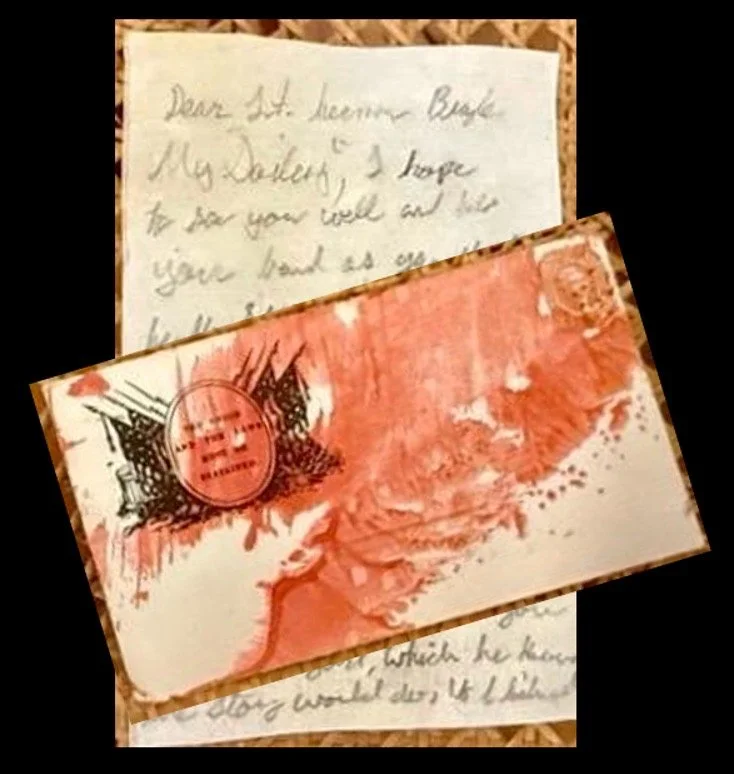
Marian Mendenhall wrote to Lieutenant Brayle after learning that he was ordered to the front. The letter set in motion events in Killed at Resaca.
Shown here is the letter created for the film.