People of Killed at Resaca
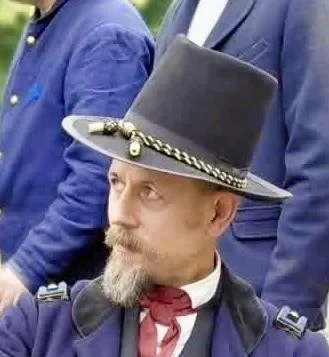
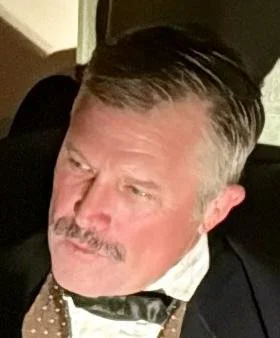
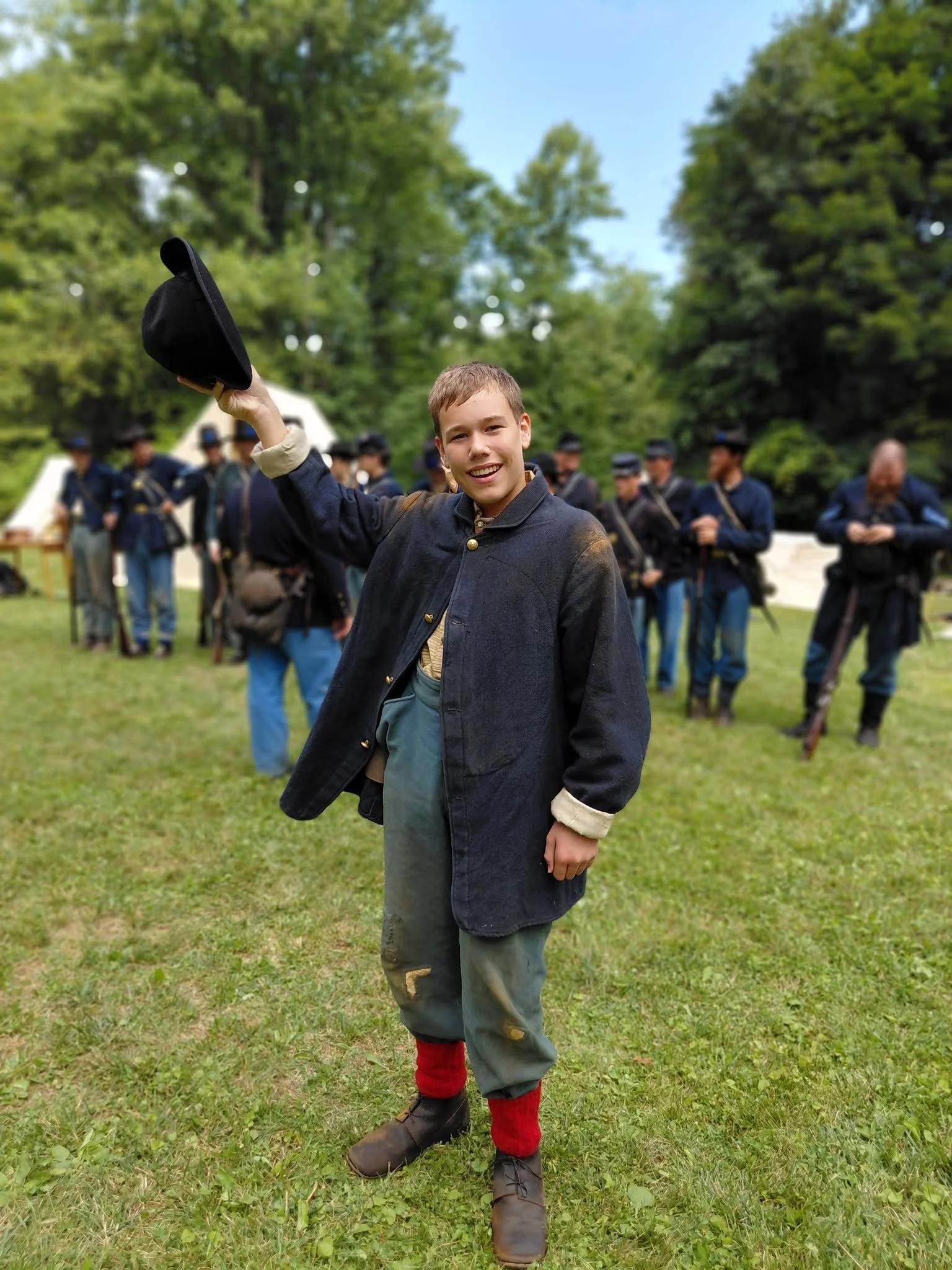
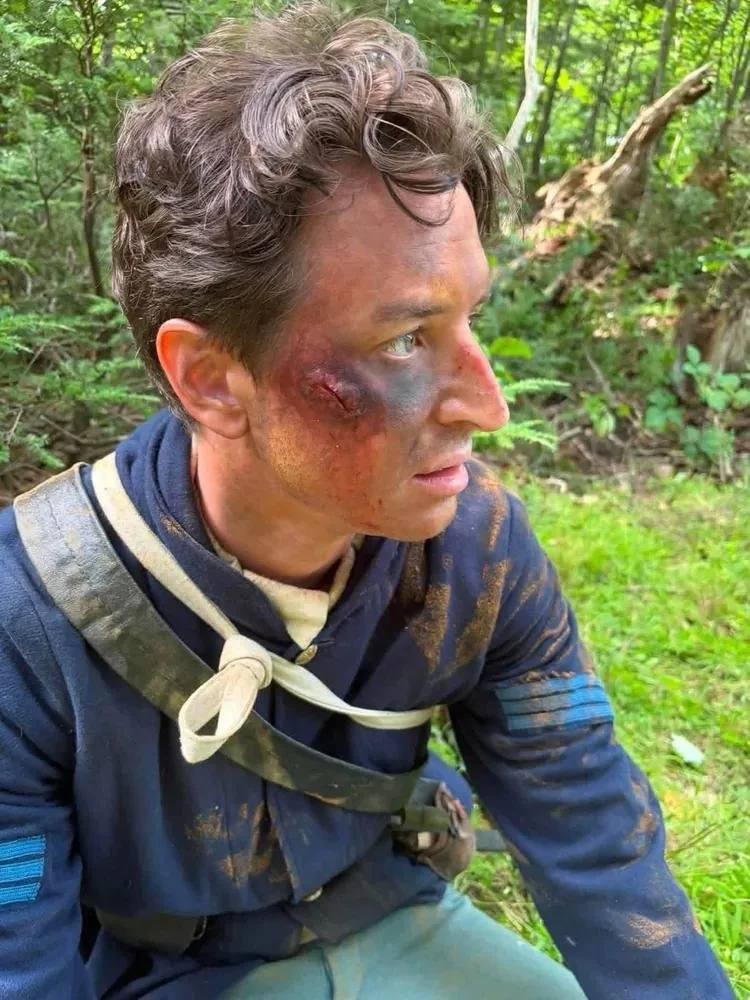
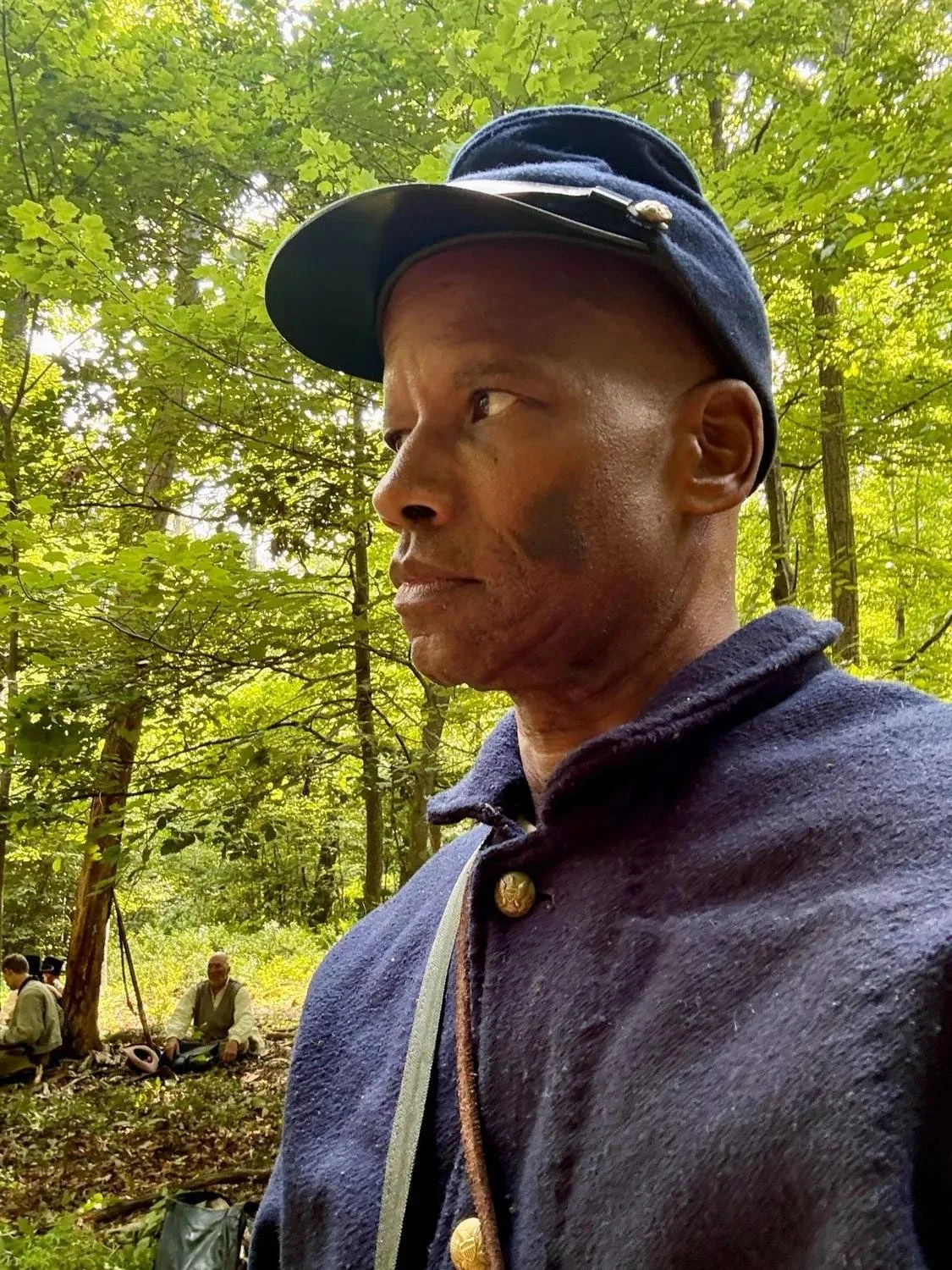
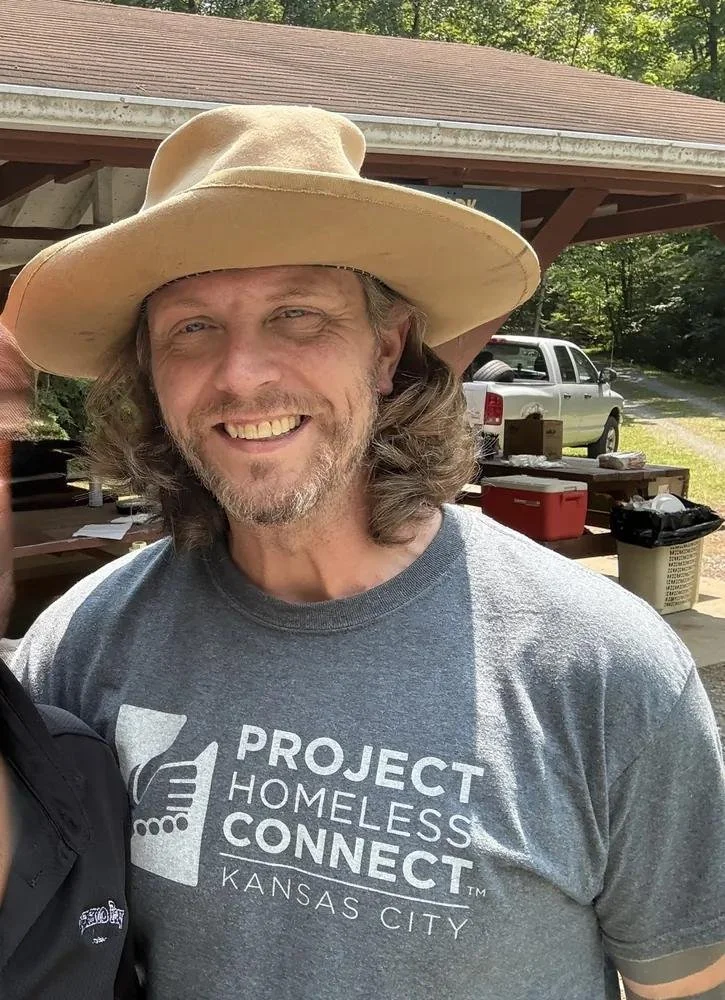
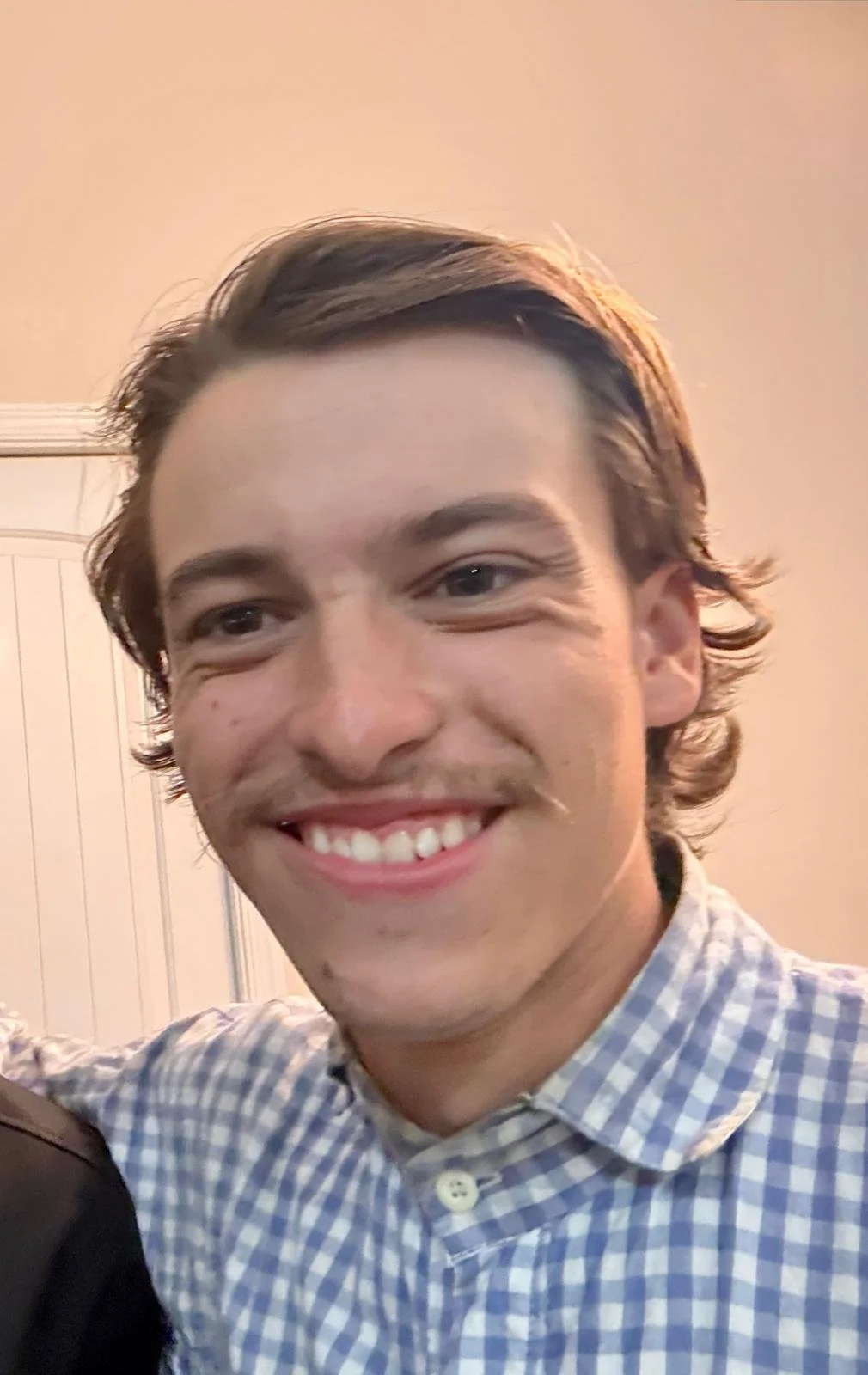
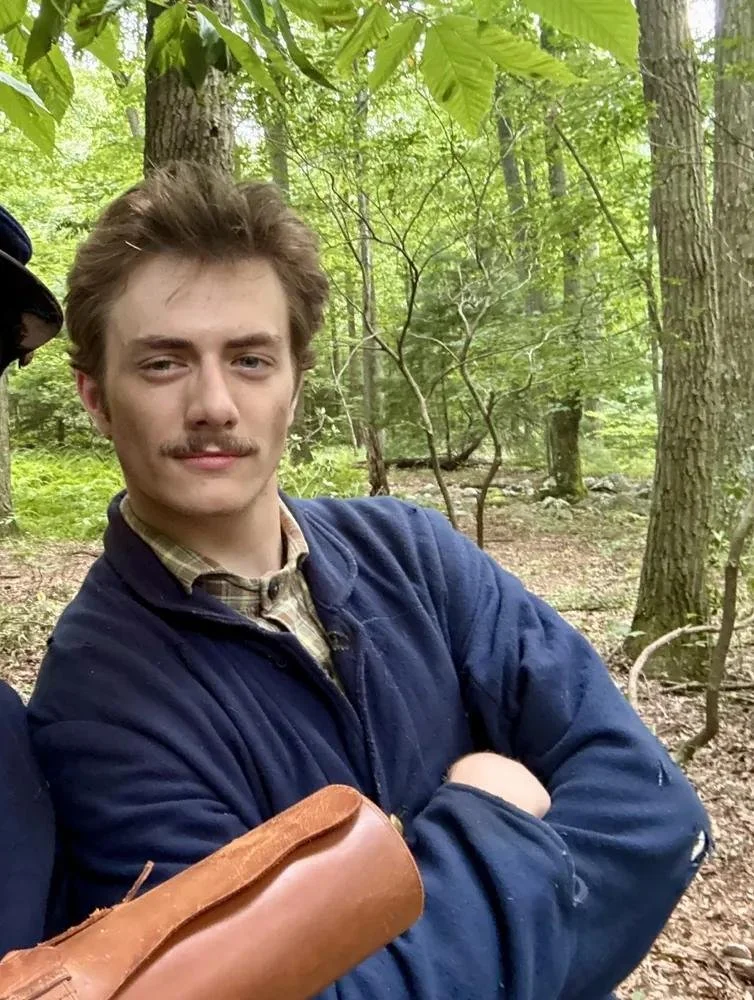
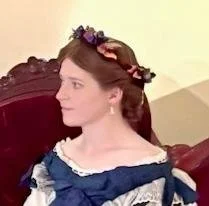
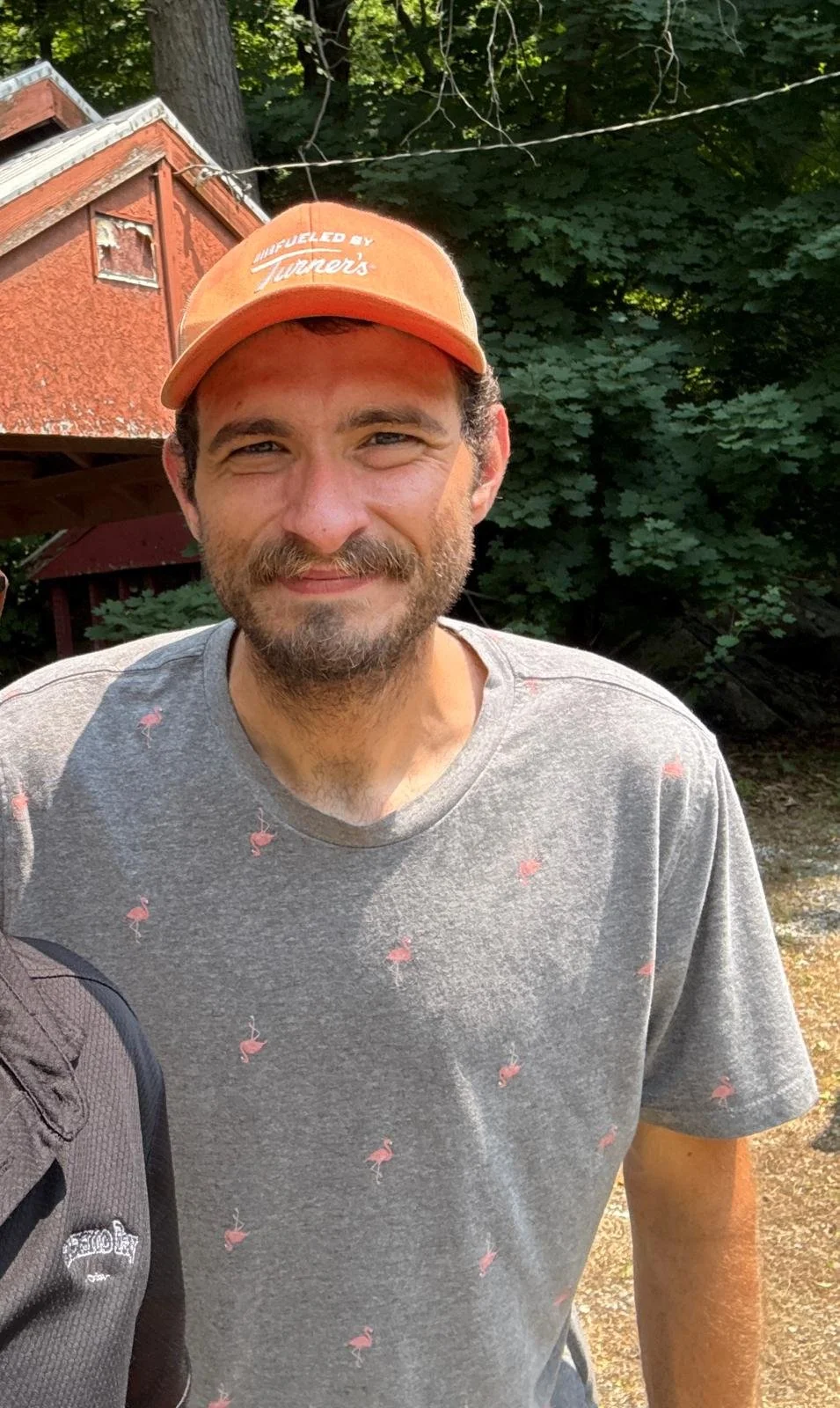
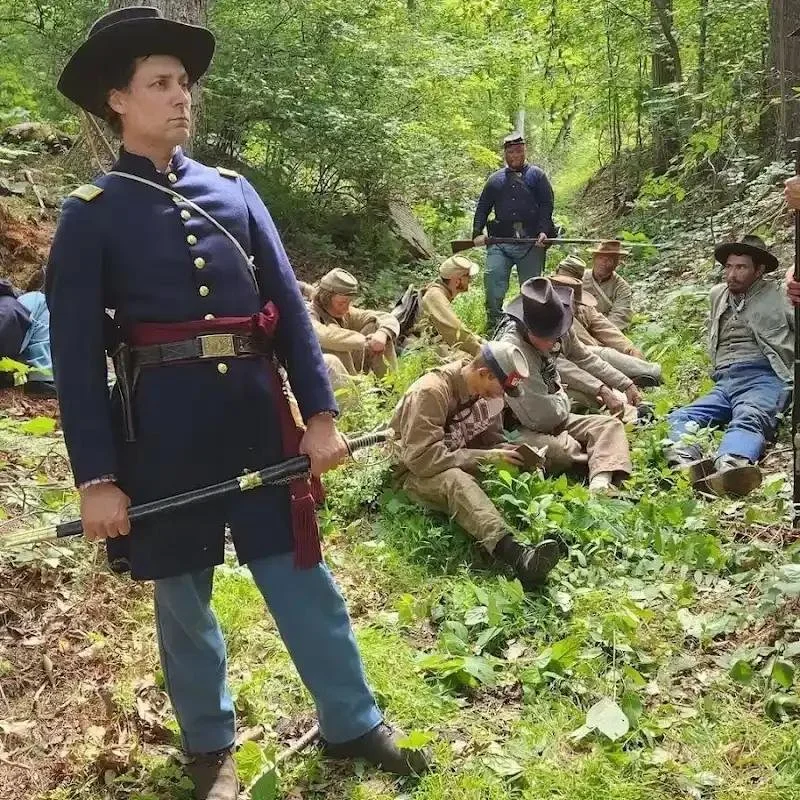
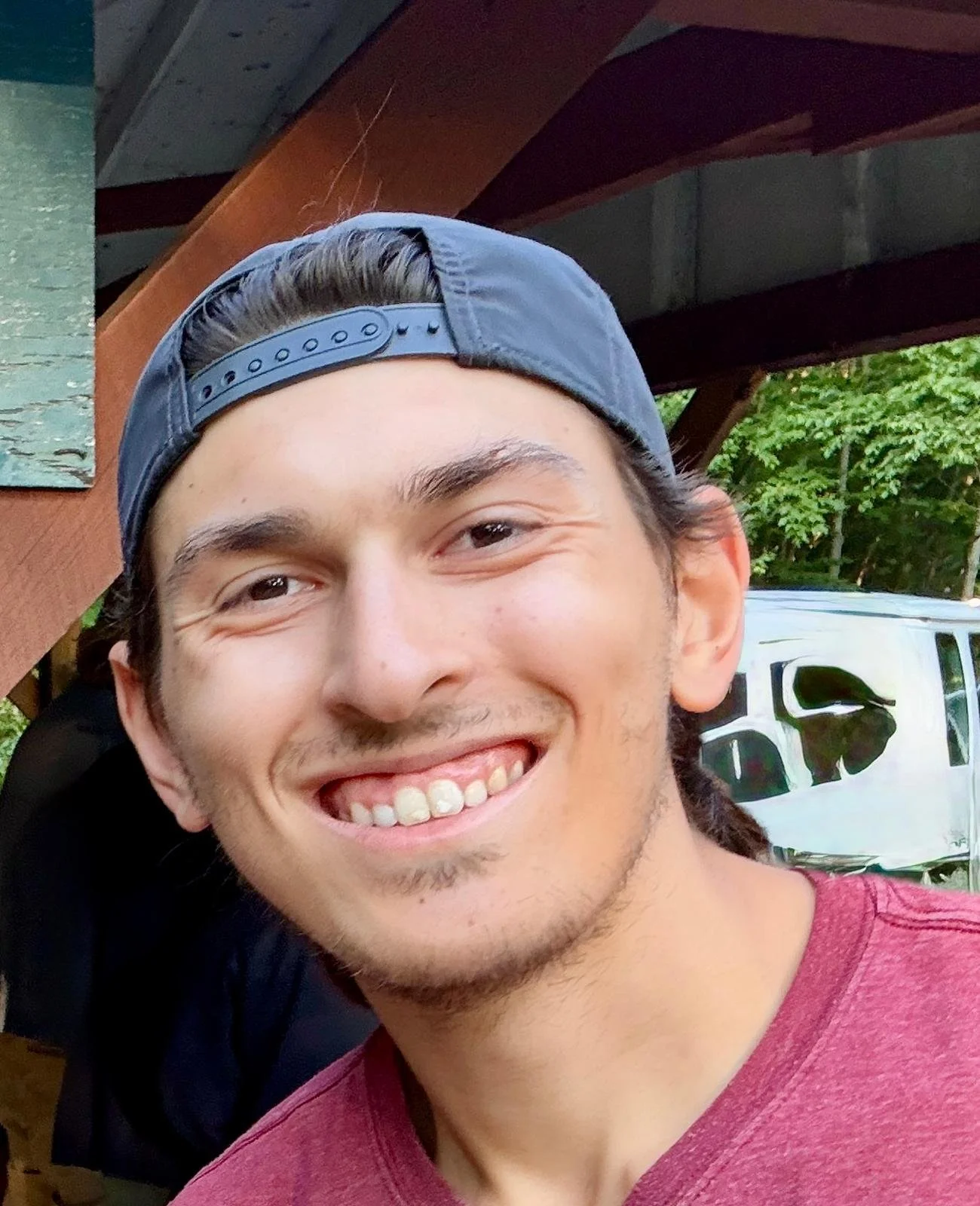
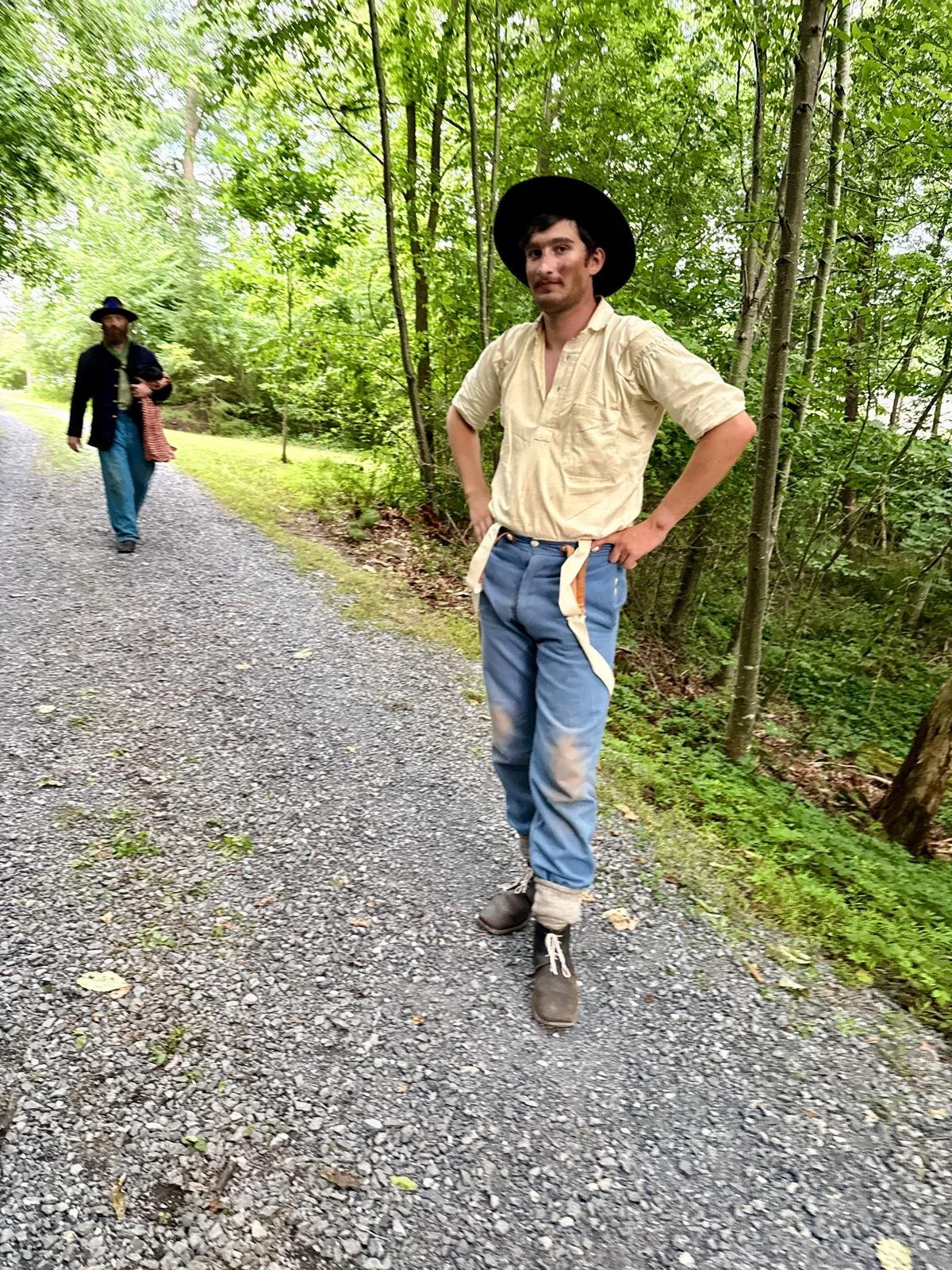
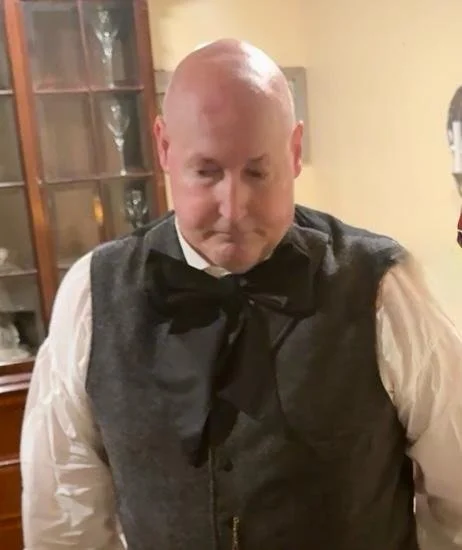
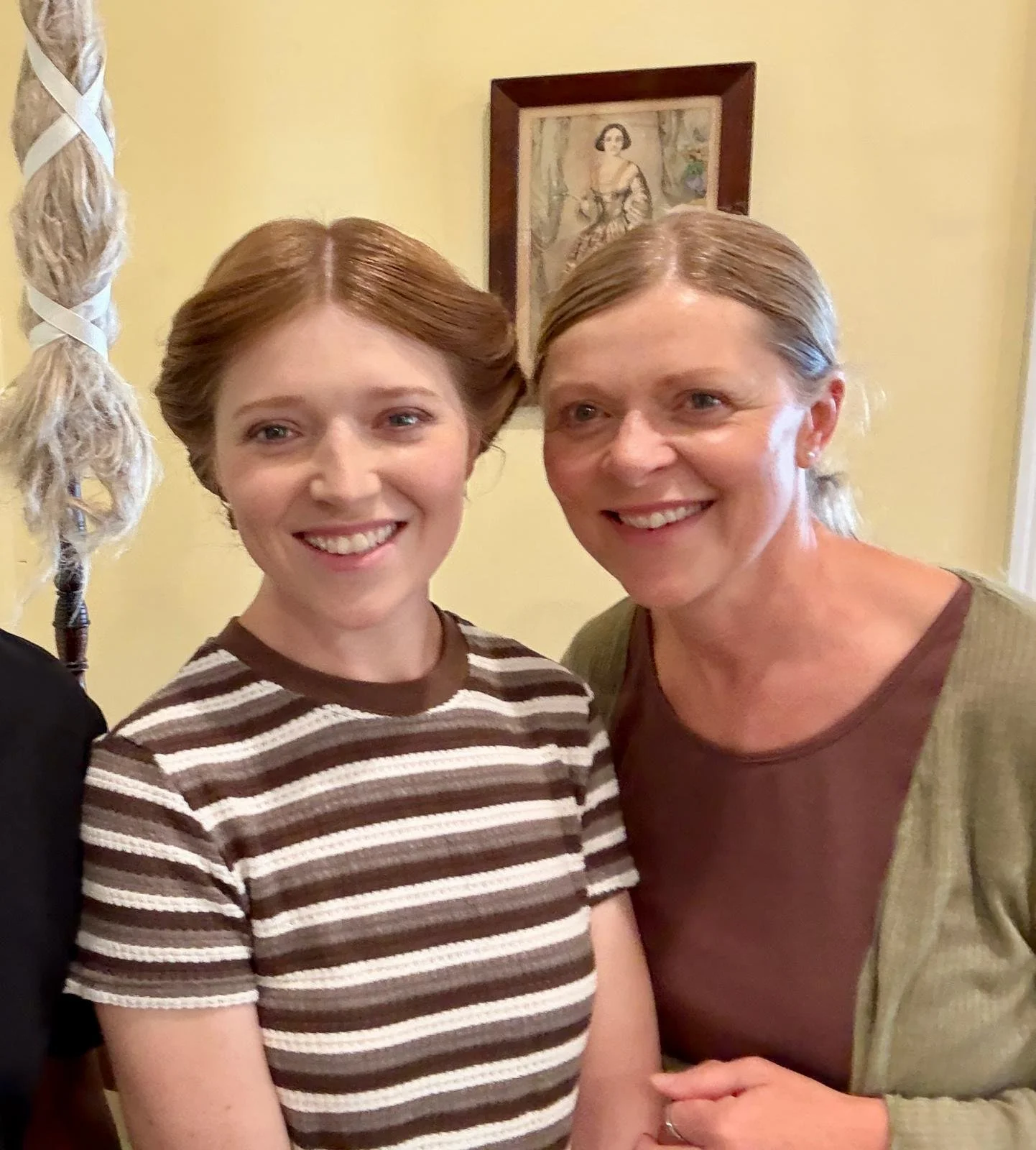
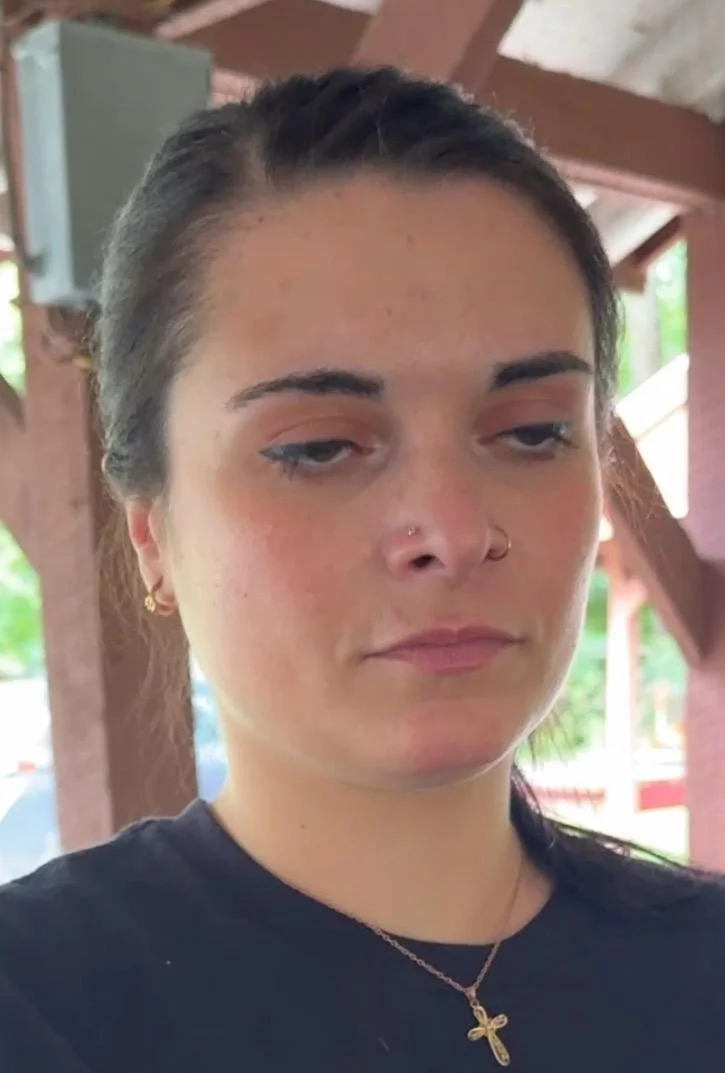
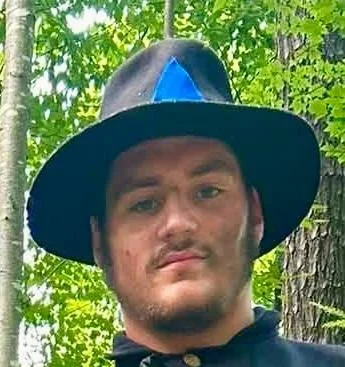
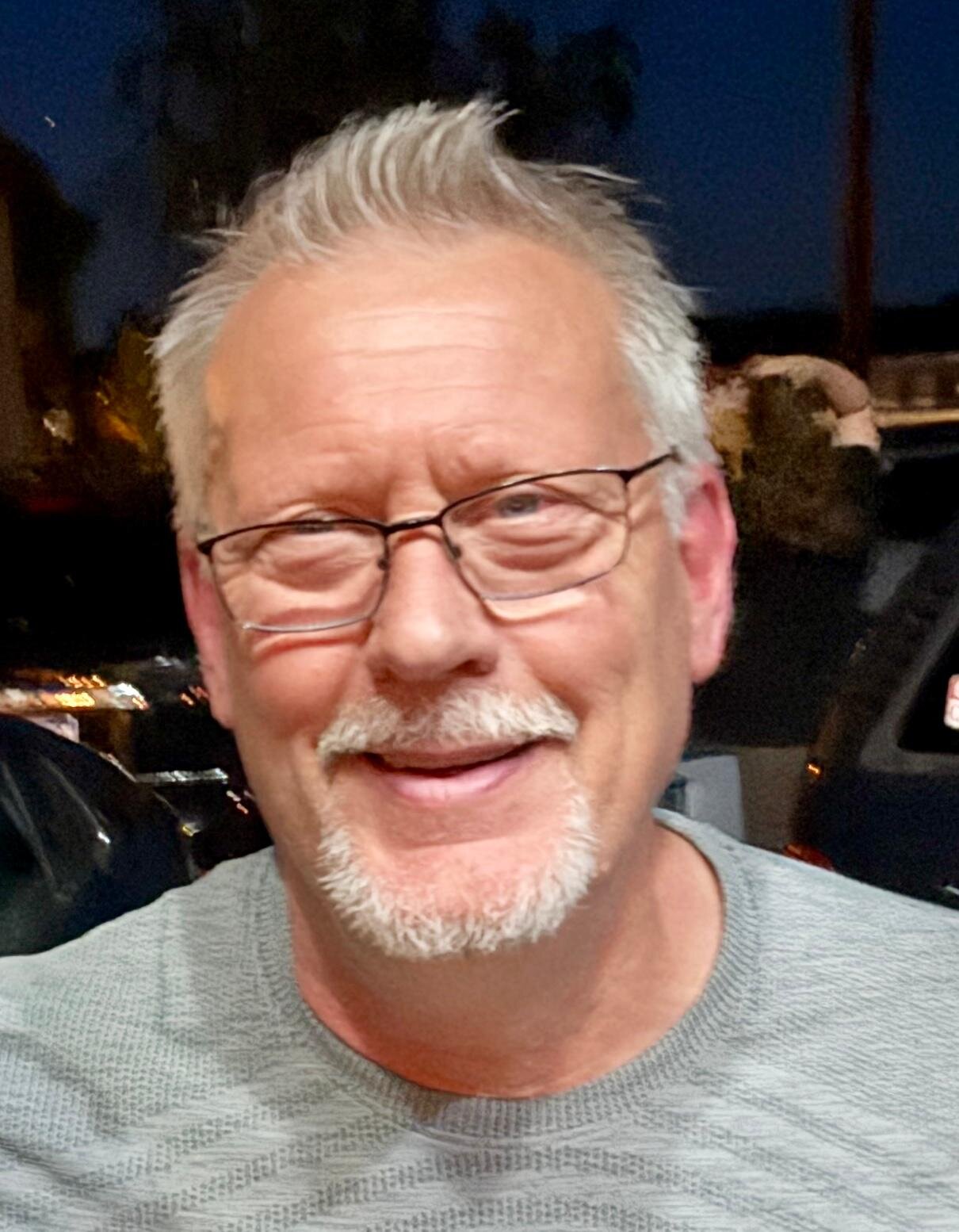
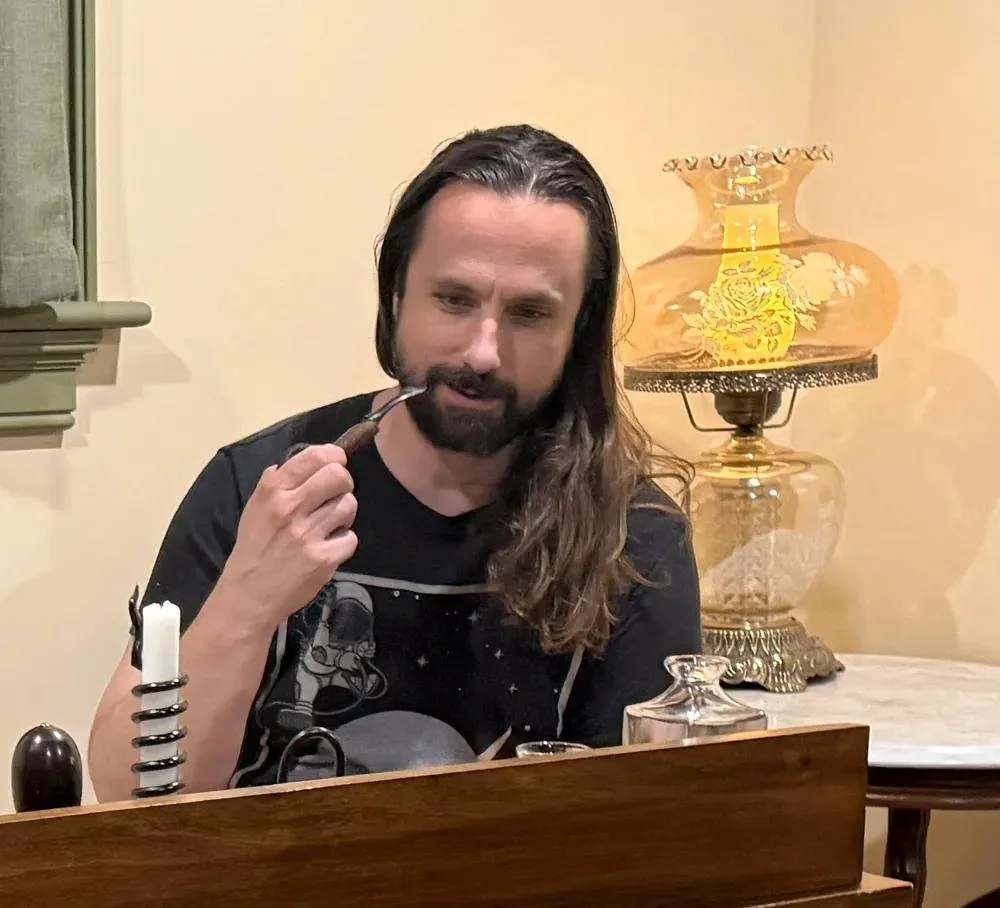
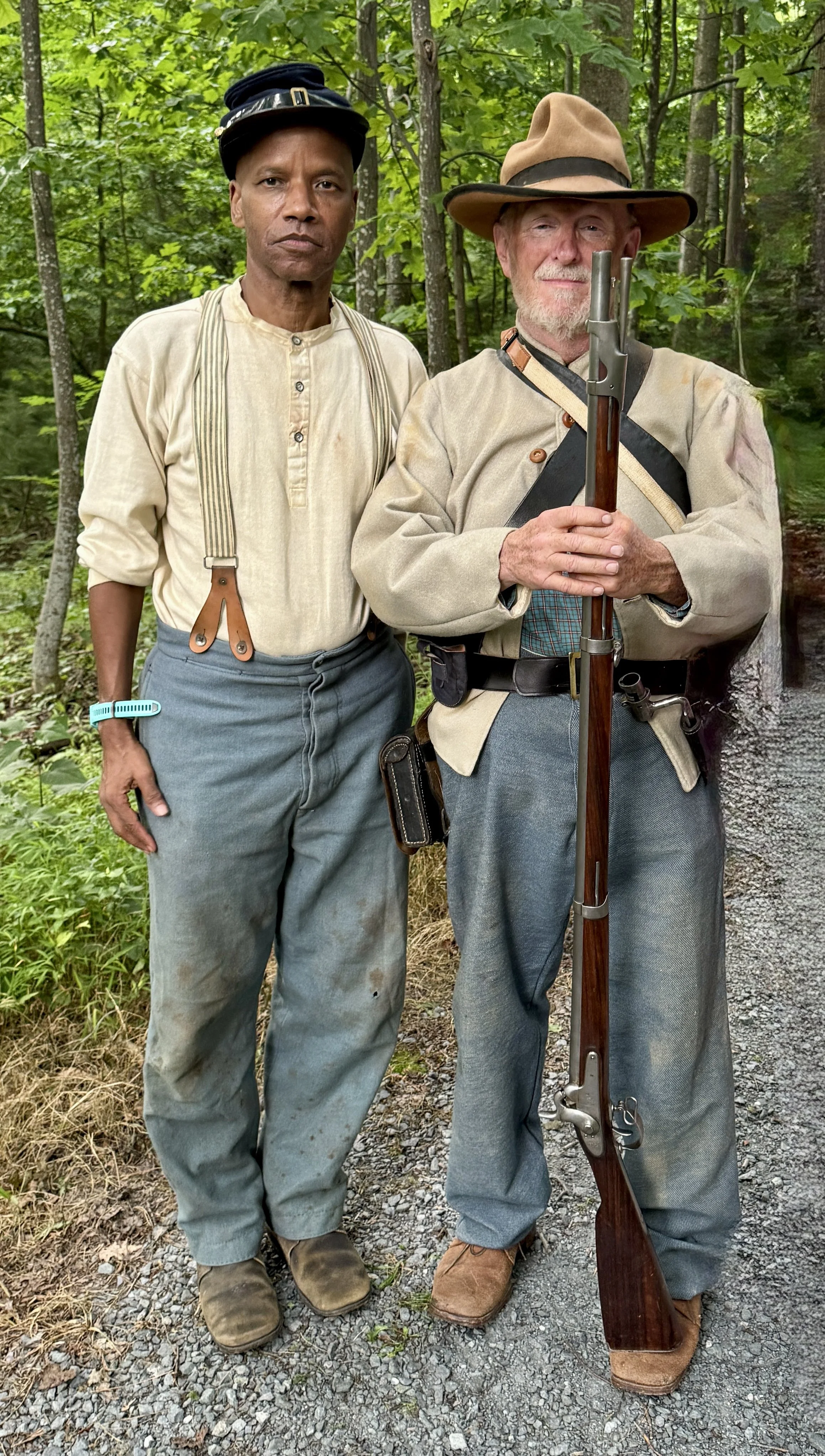
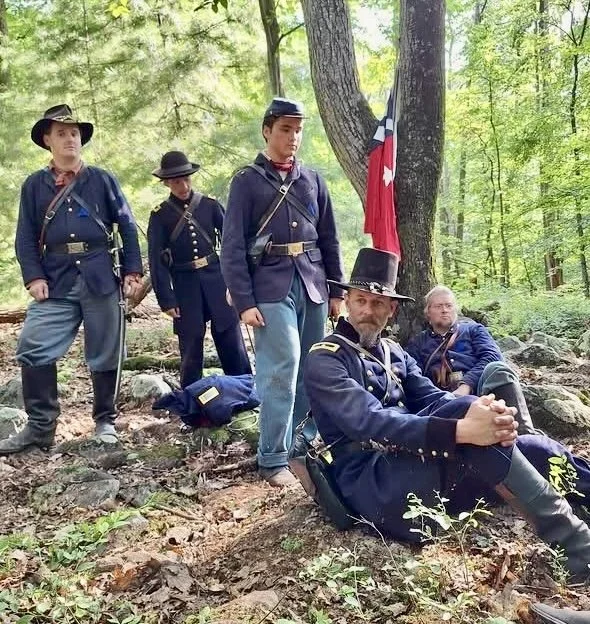
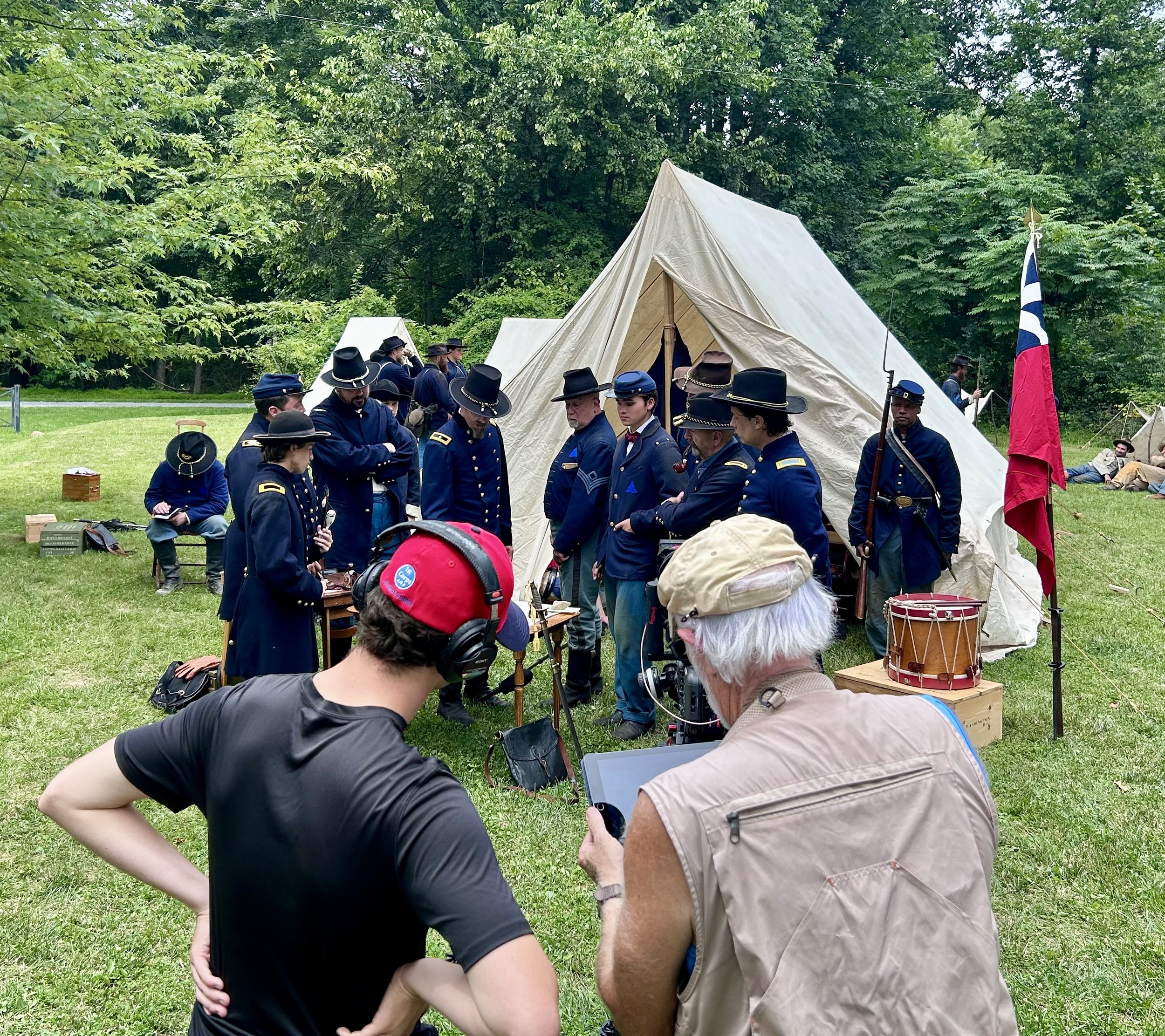
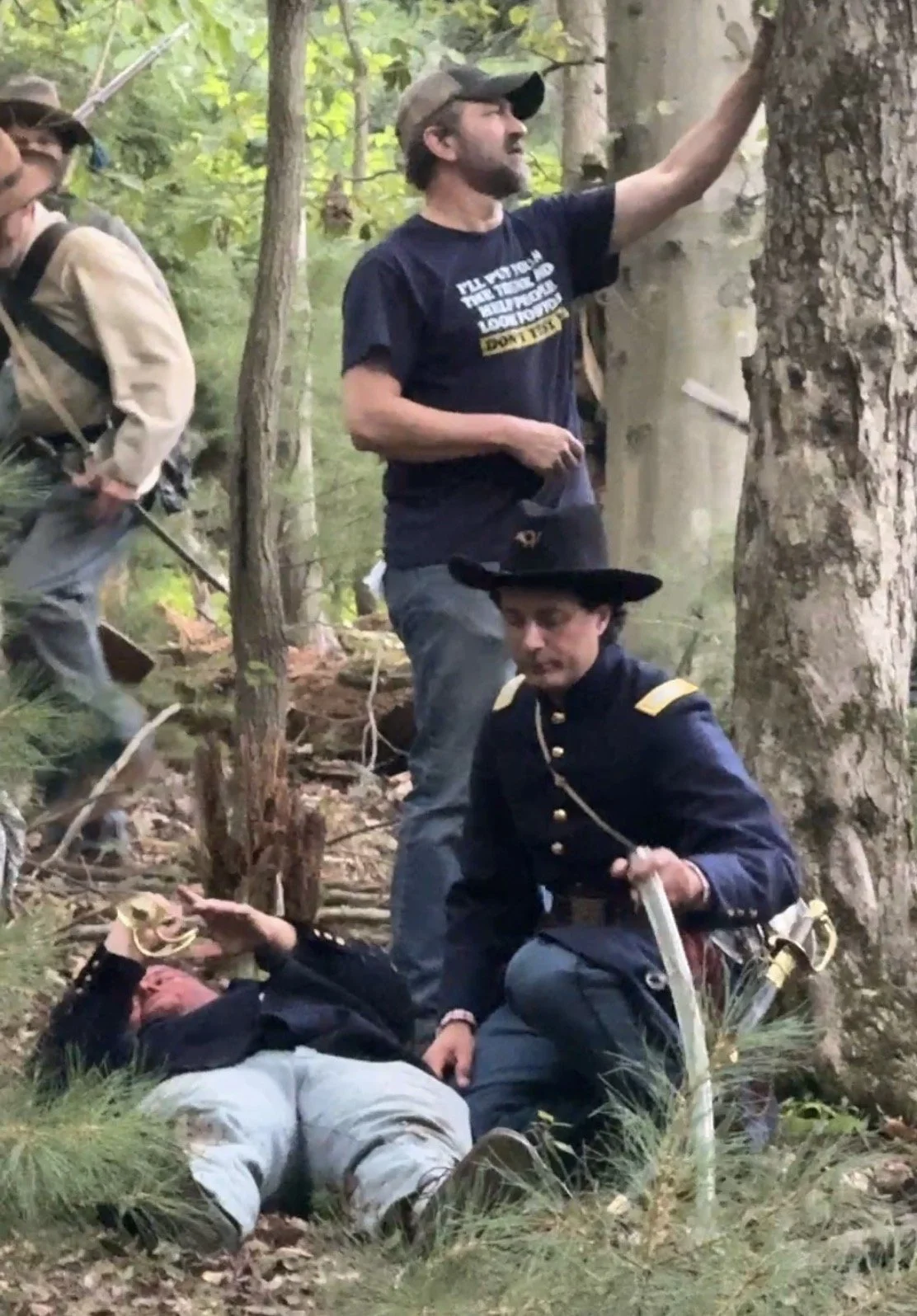
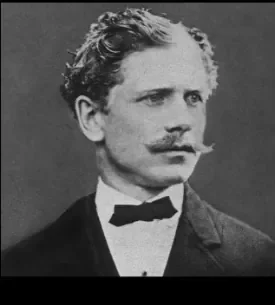
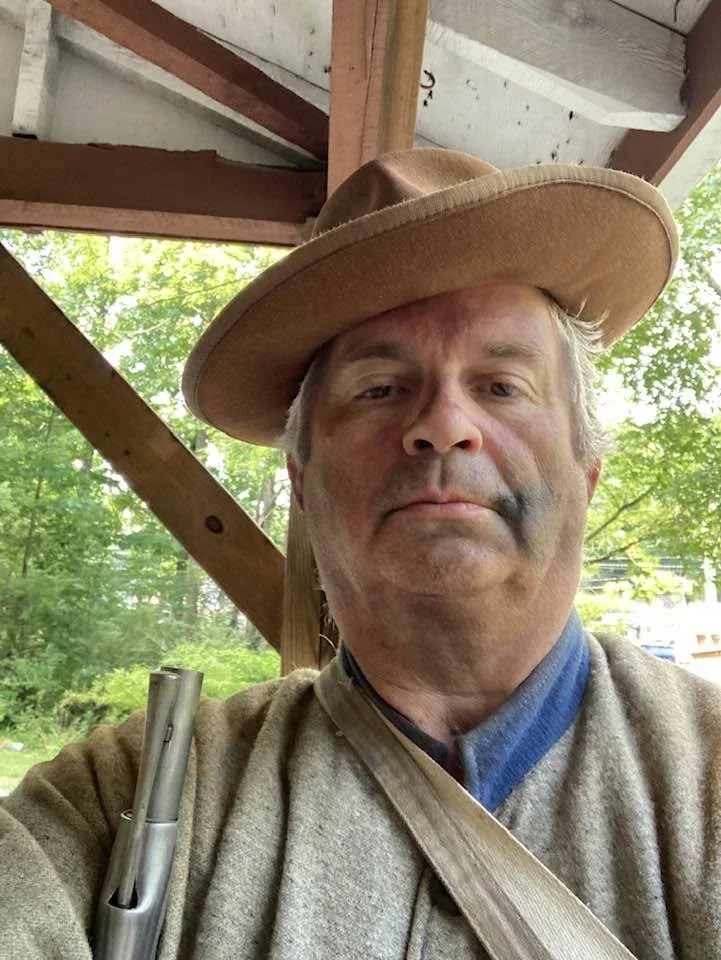
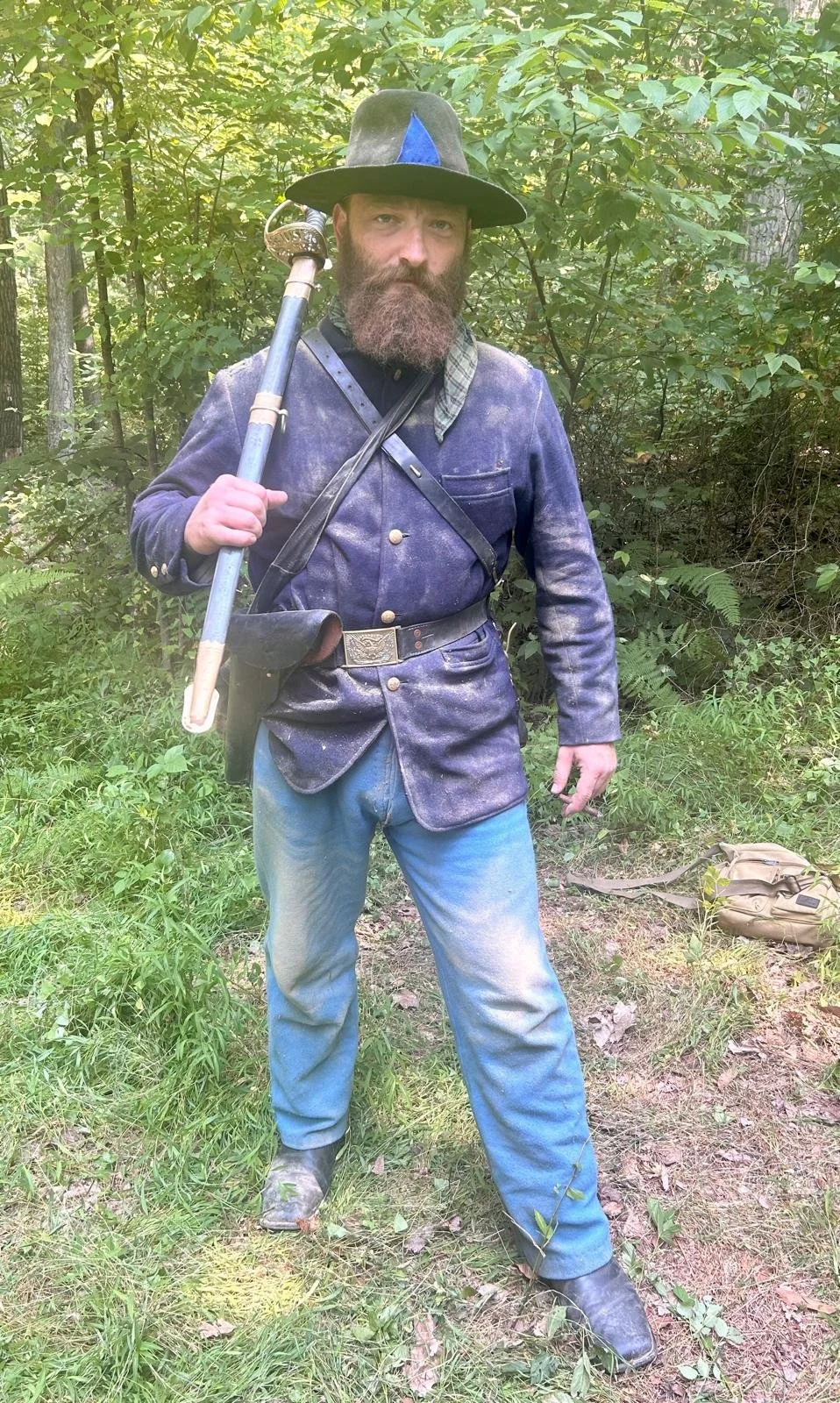
The film brought together actors, reenactors, filmmakers, craftspeople, family members, historians, and community supporters. The photographs on this working page show only some of them — this page is a work in progress, with more people to be added.
Please stay tuned as our list of cast, crew and supporters is being completed, and additional participants, photographs, and credits are added!
If you notice any errors or omissions on this page, will you please tell us via e-mail at KilledAtResaca@yahoo.com?
And, if you photos that are better than some of these blurry photos, please send them to KilledAtResaca@yahoo.com! Thank you in advance!
Ian Schutz
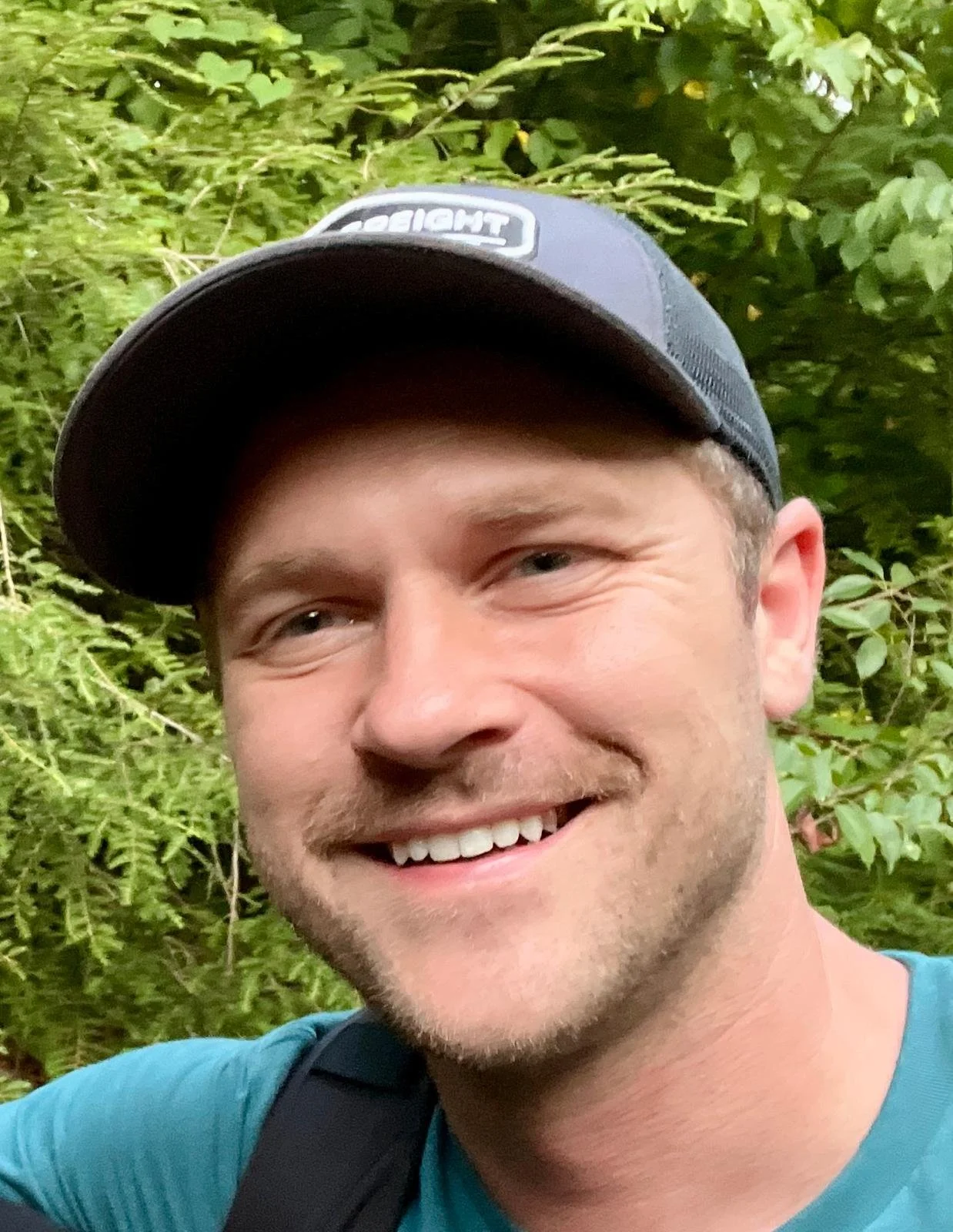
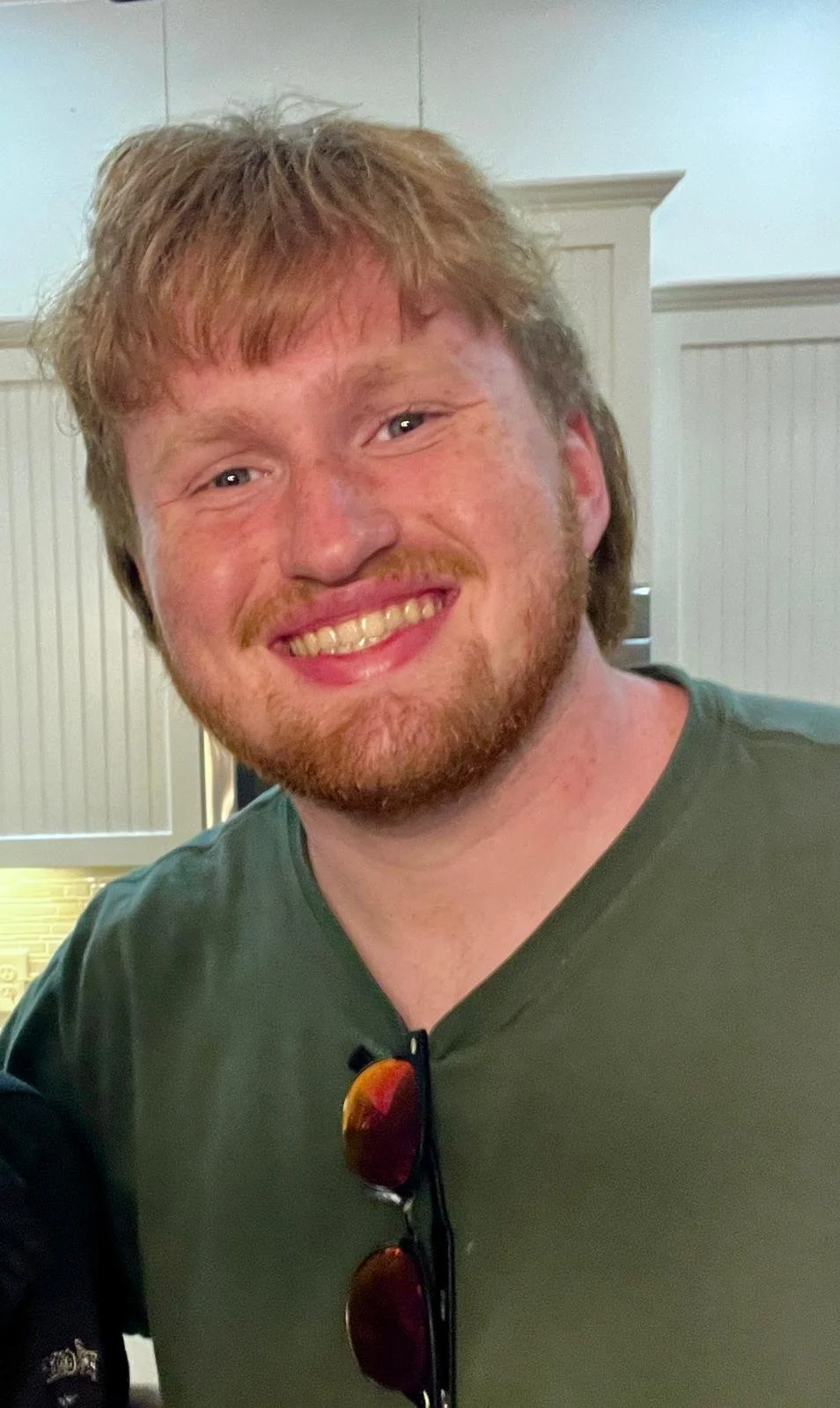
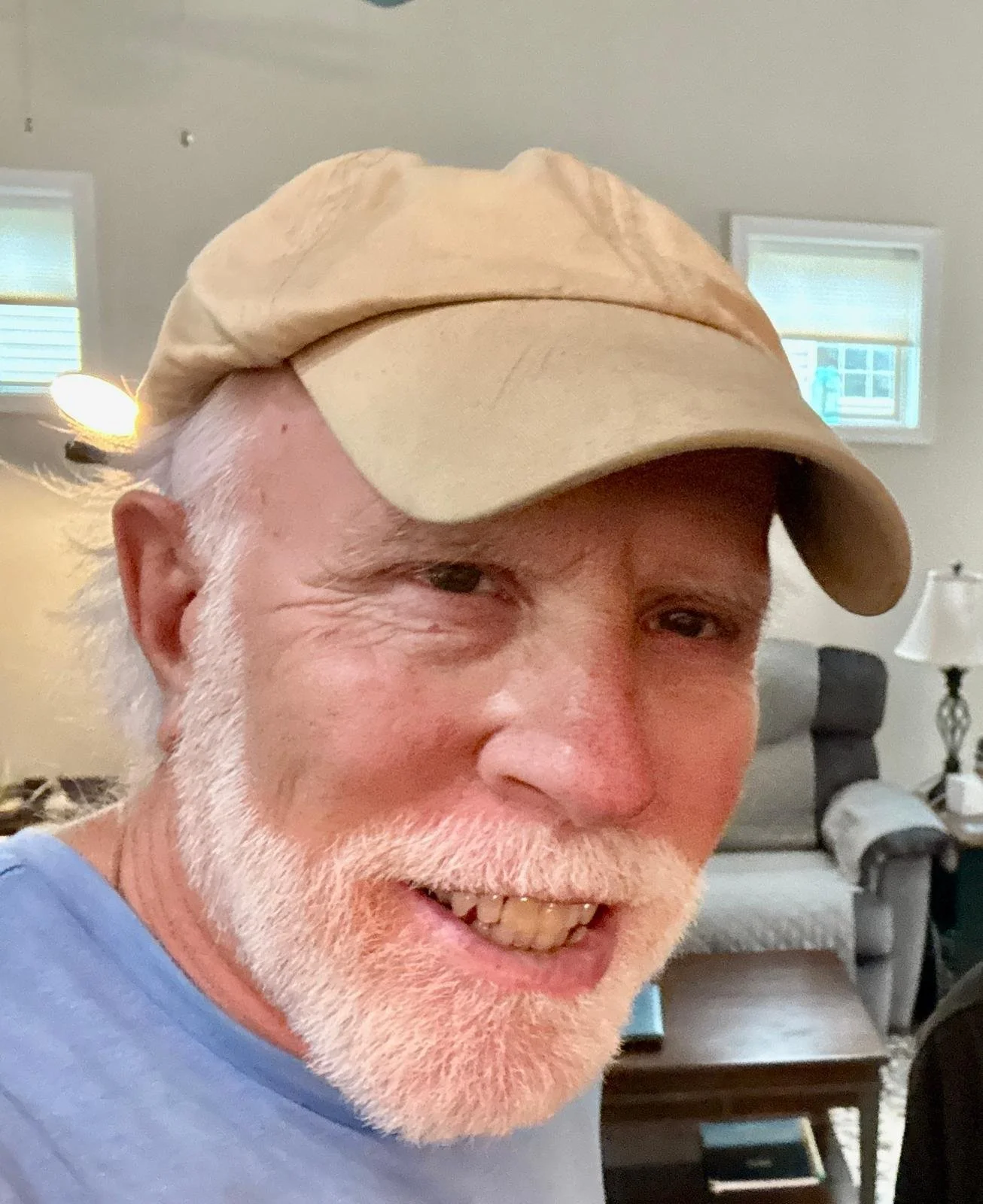
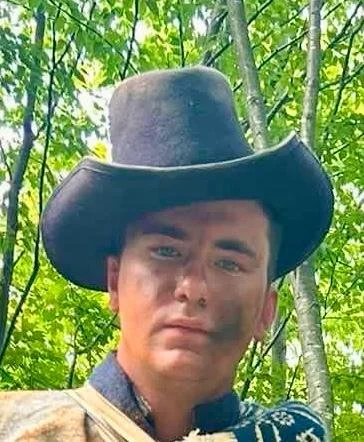
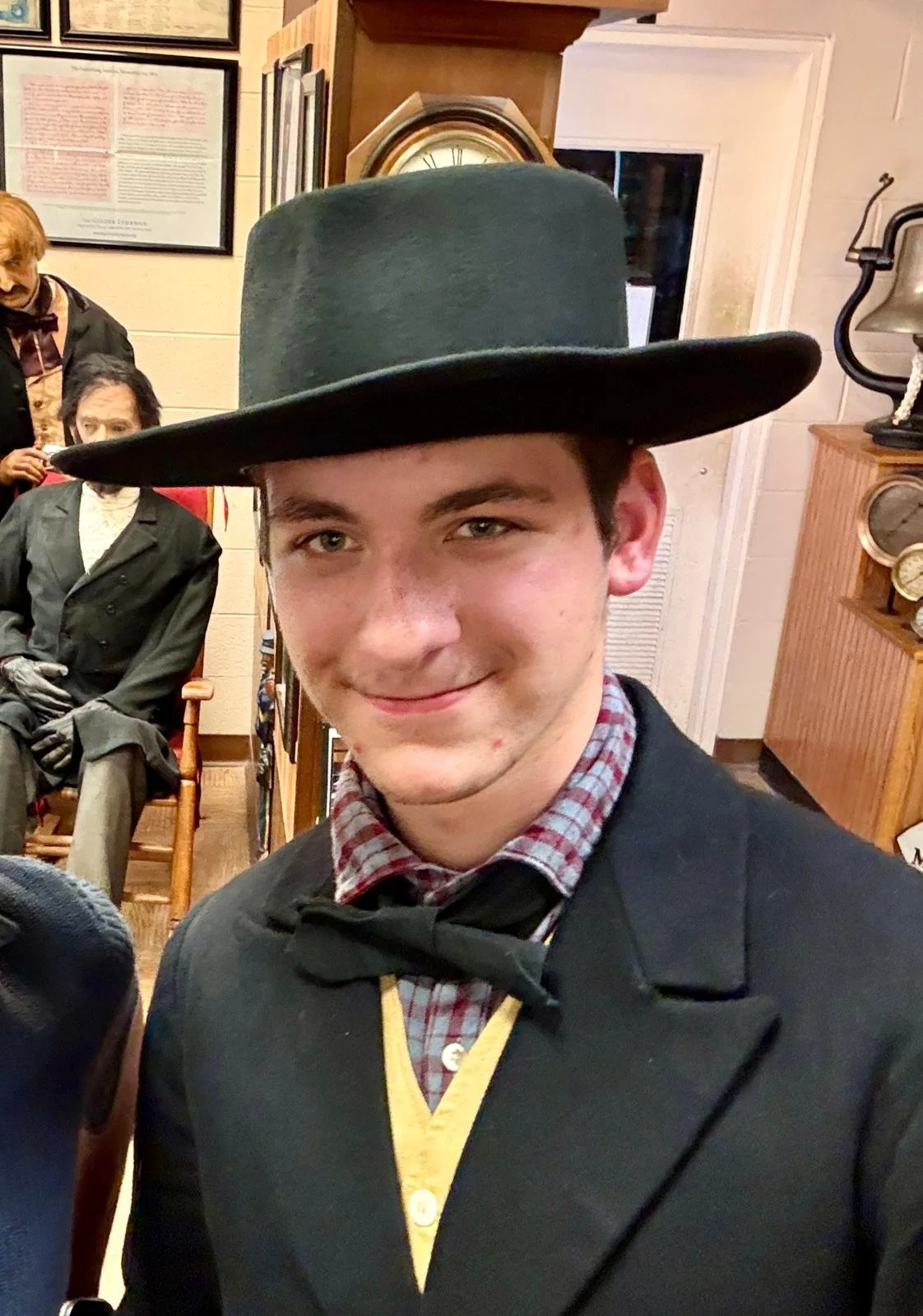
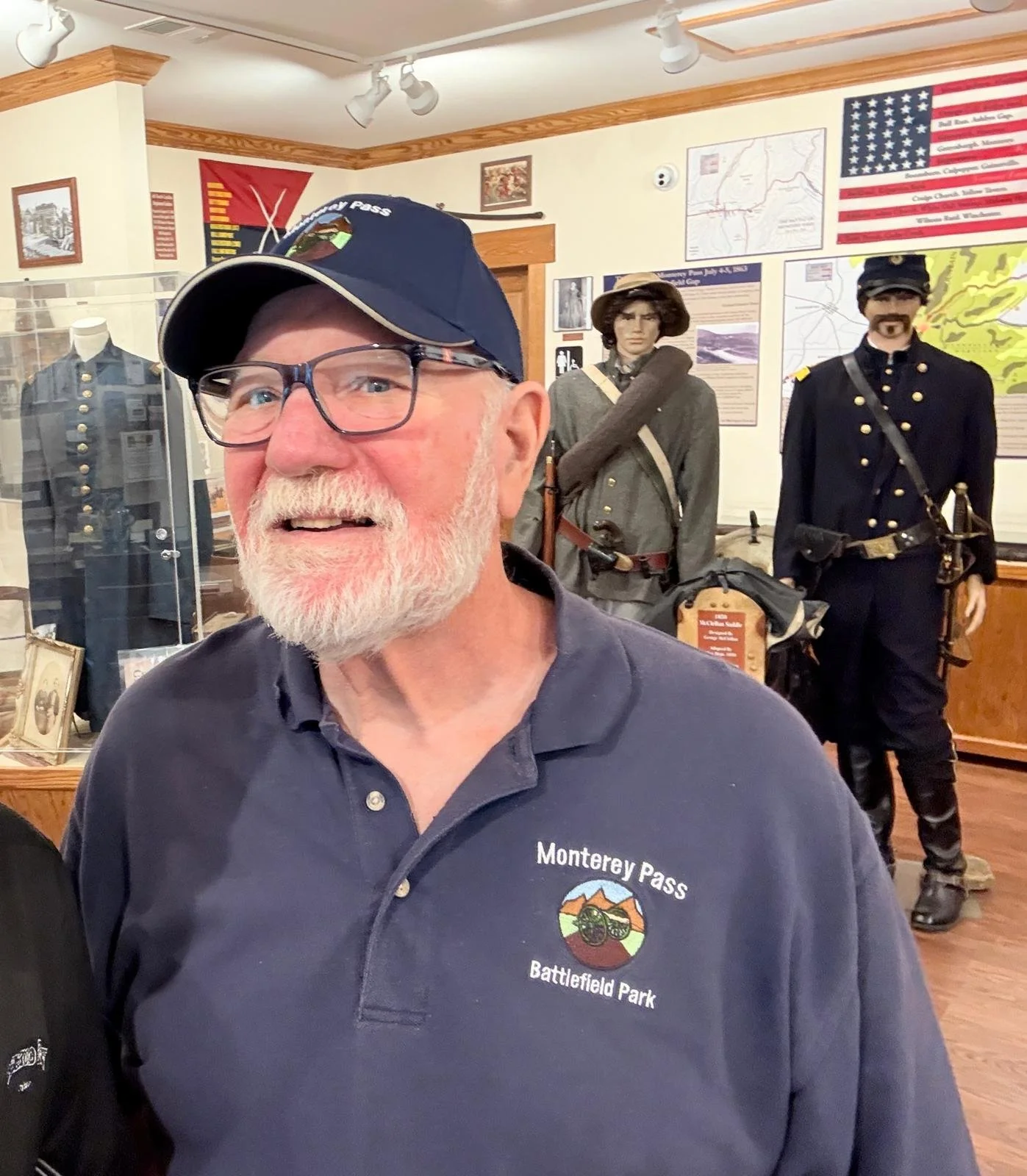
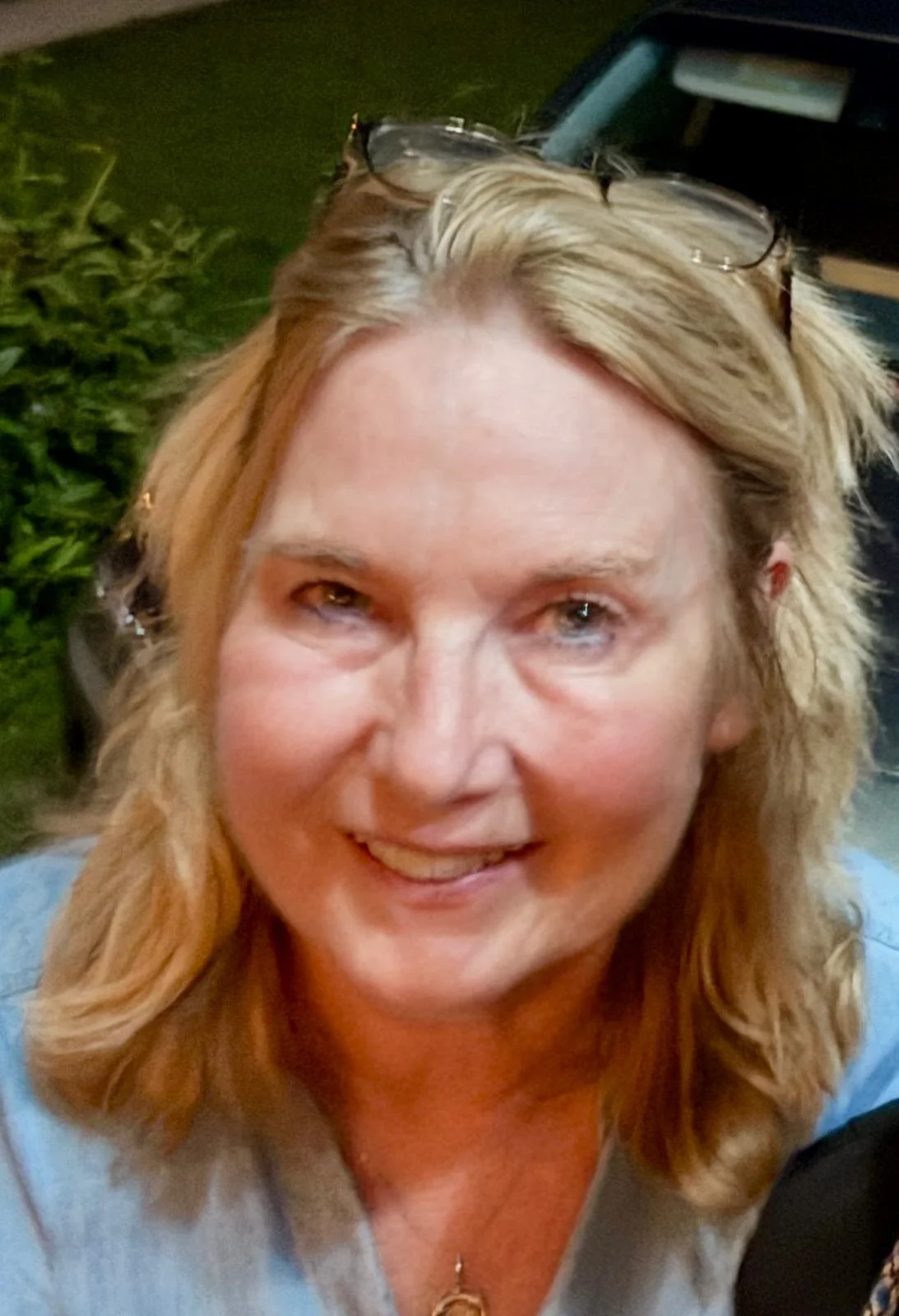
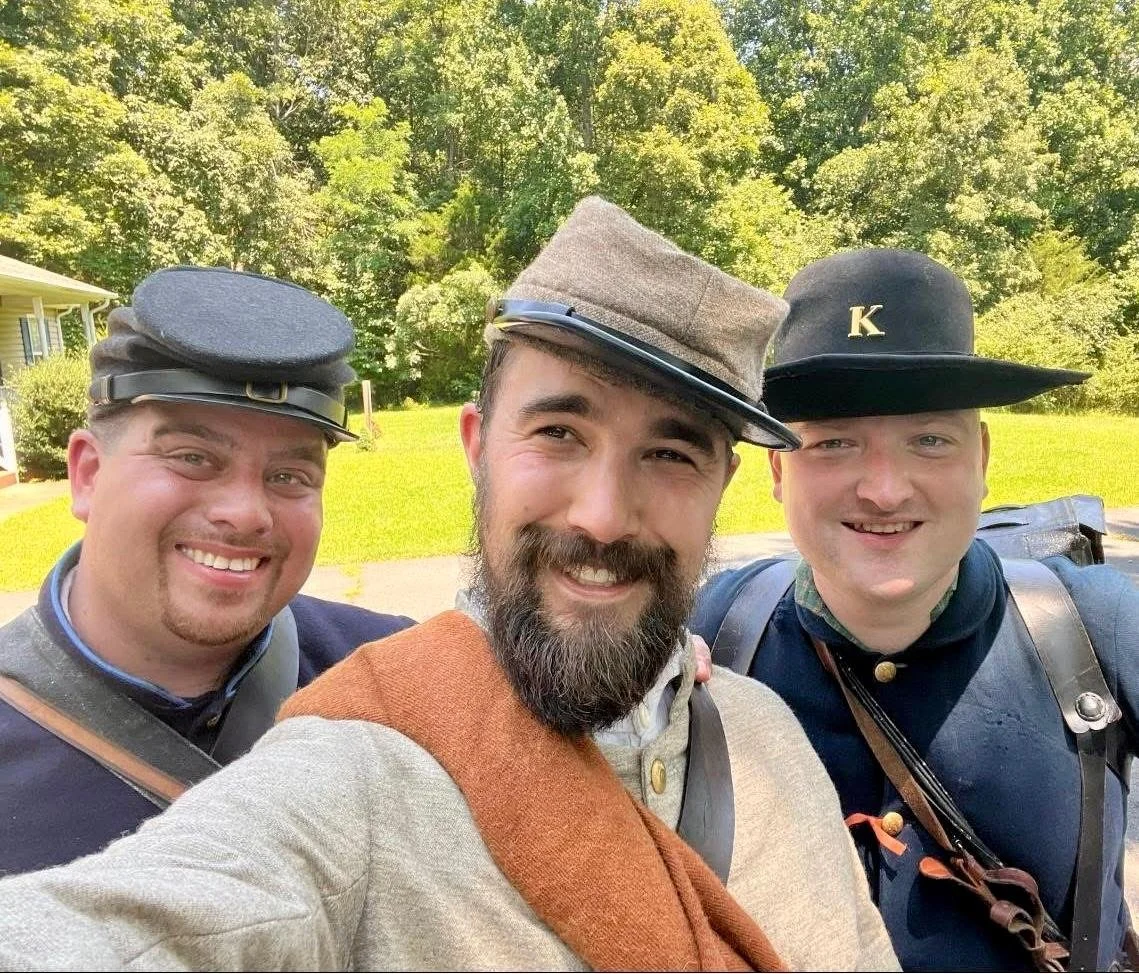
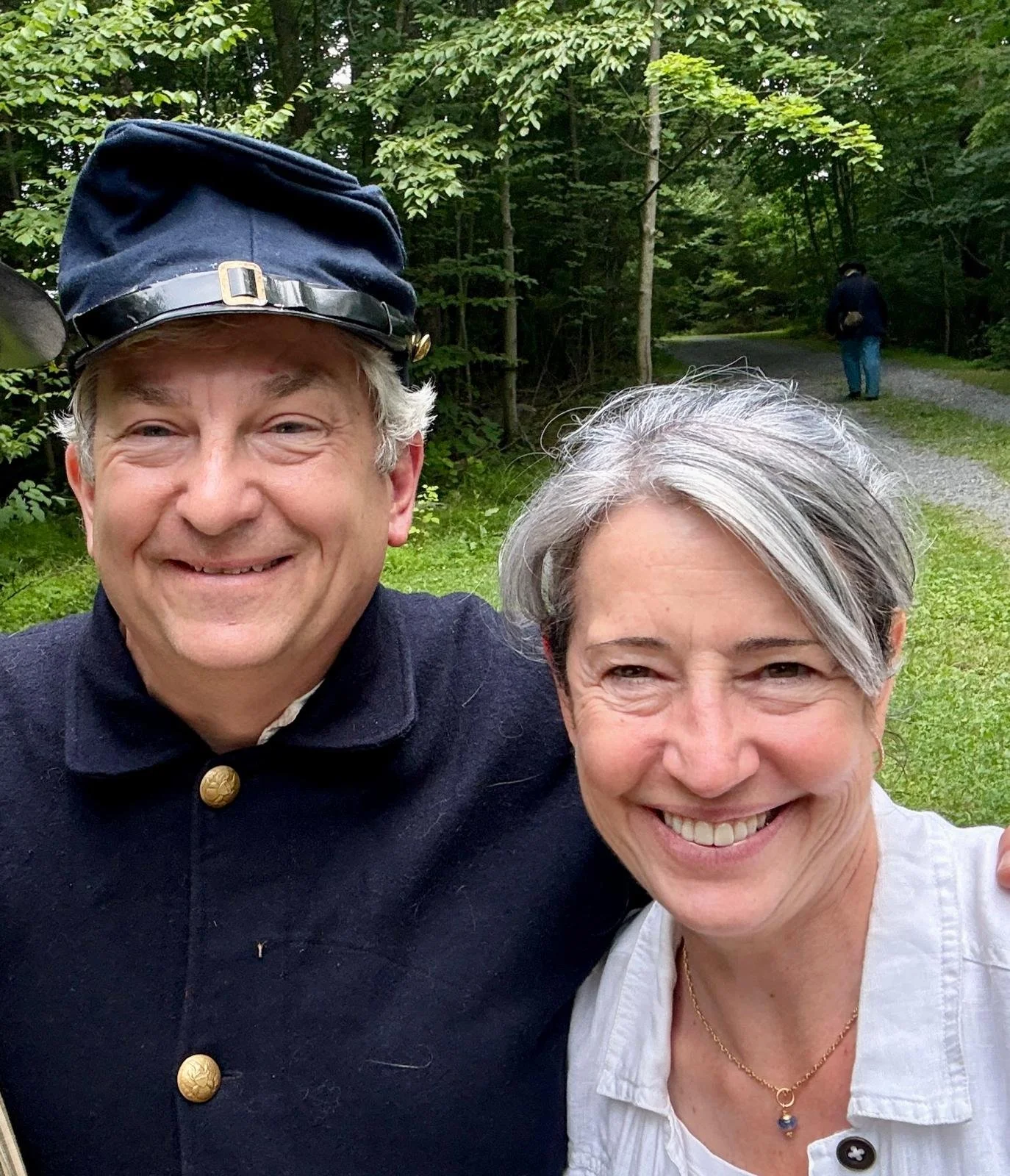
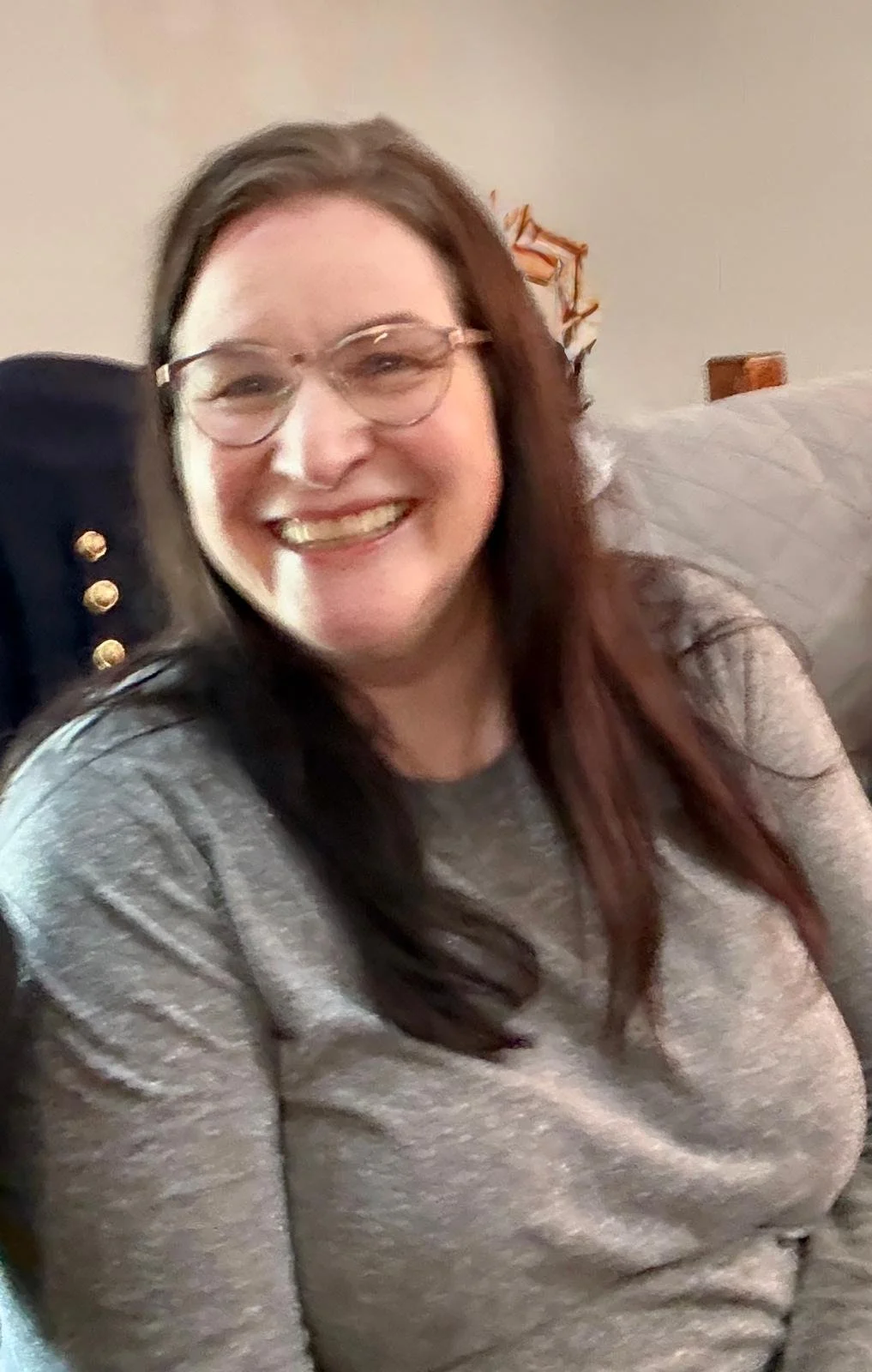
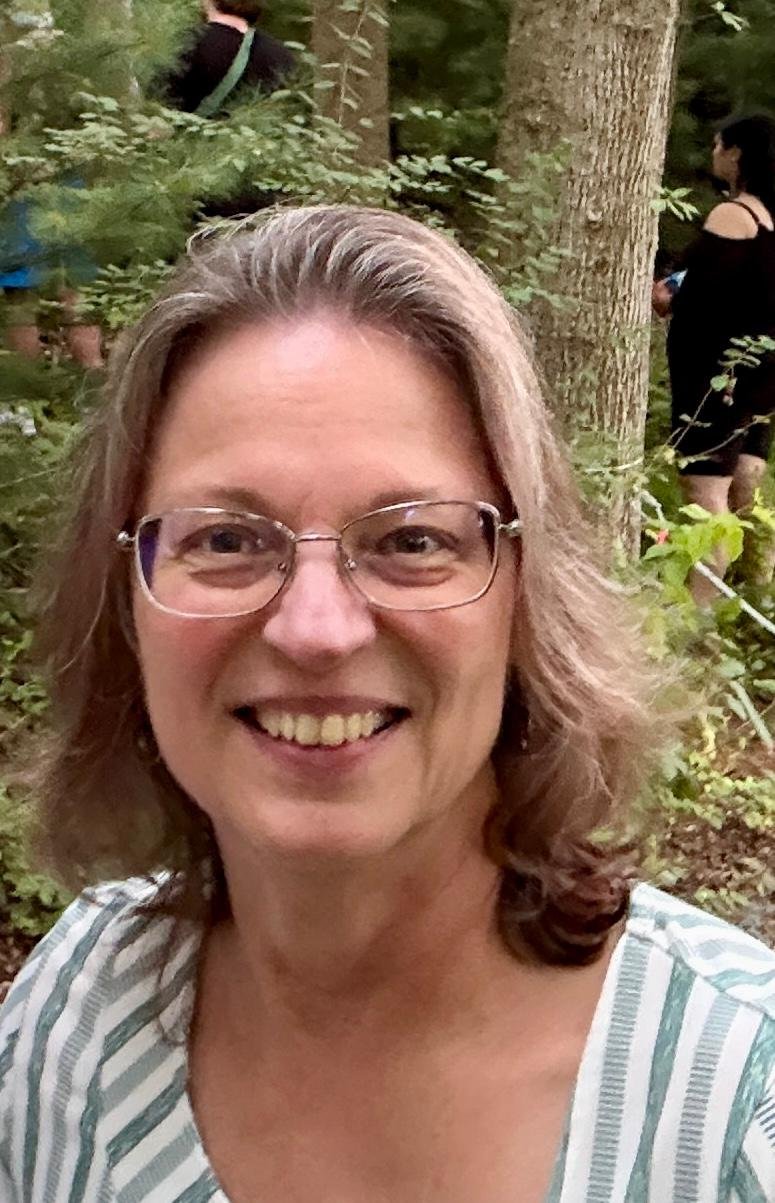
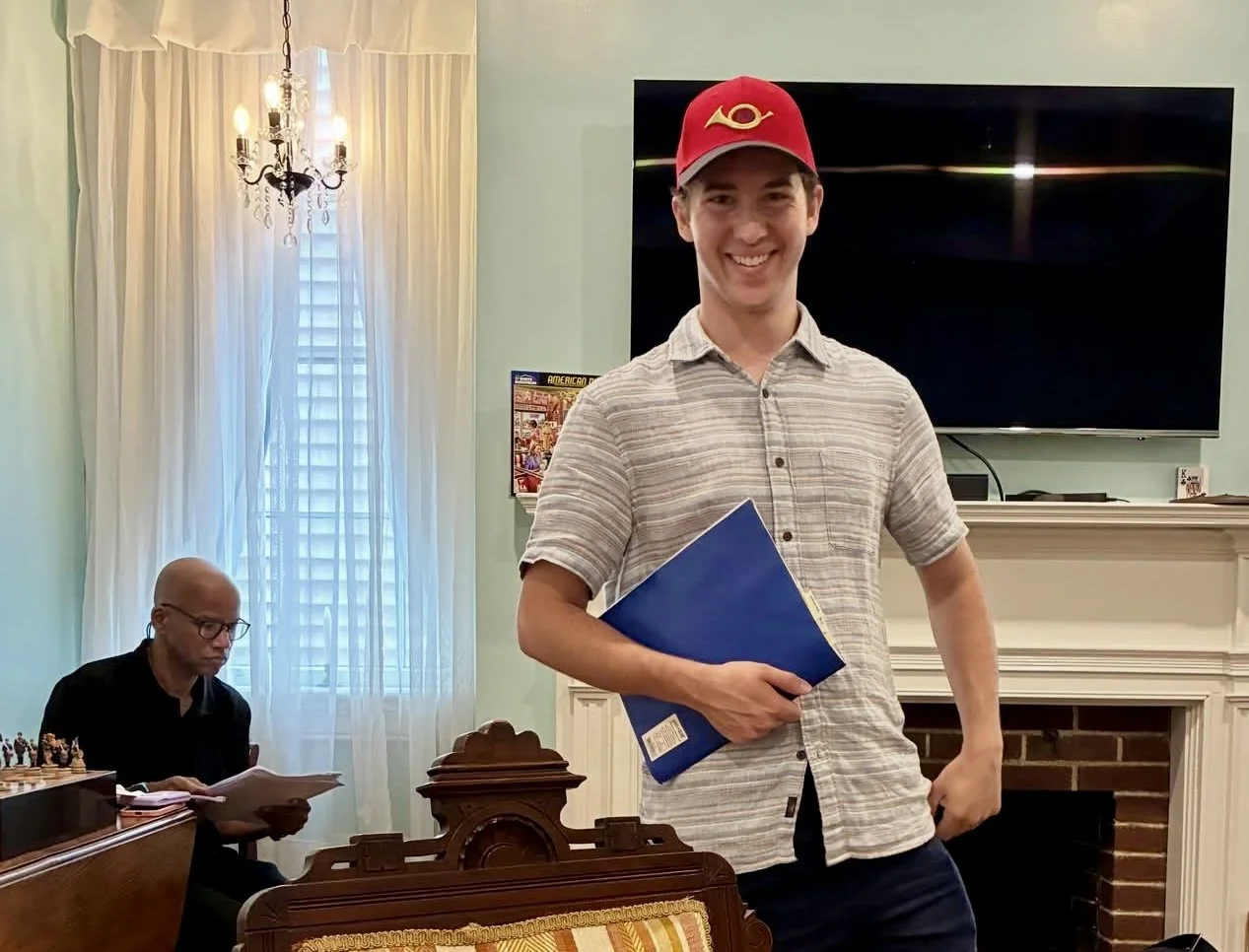
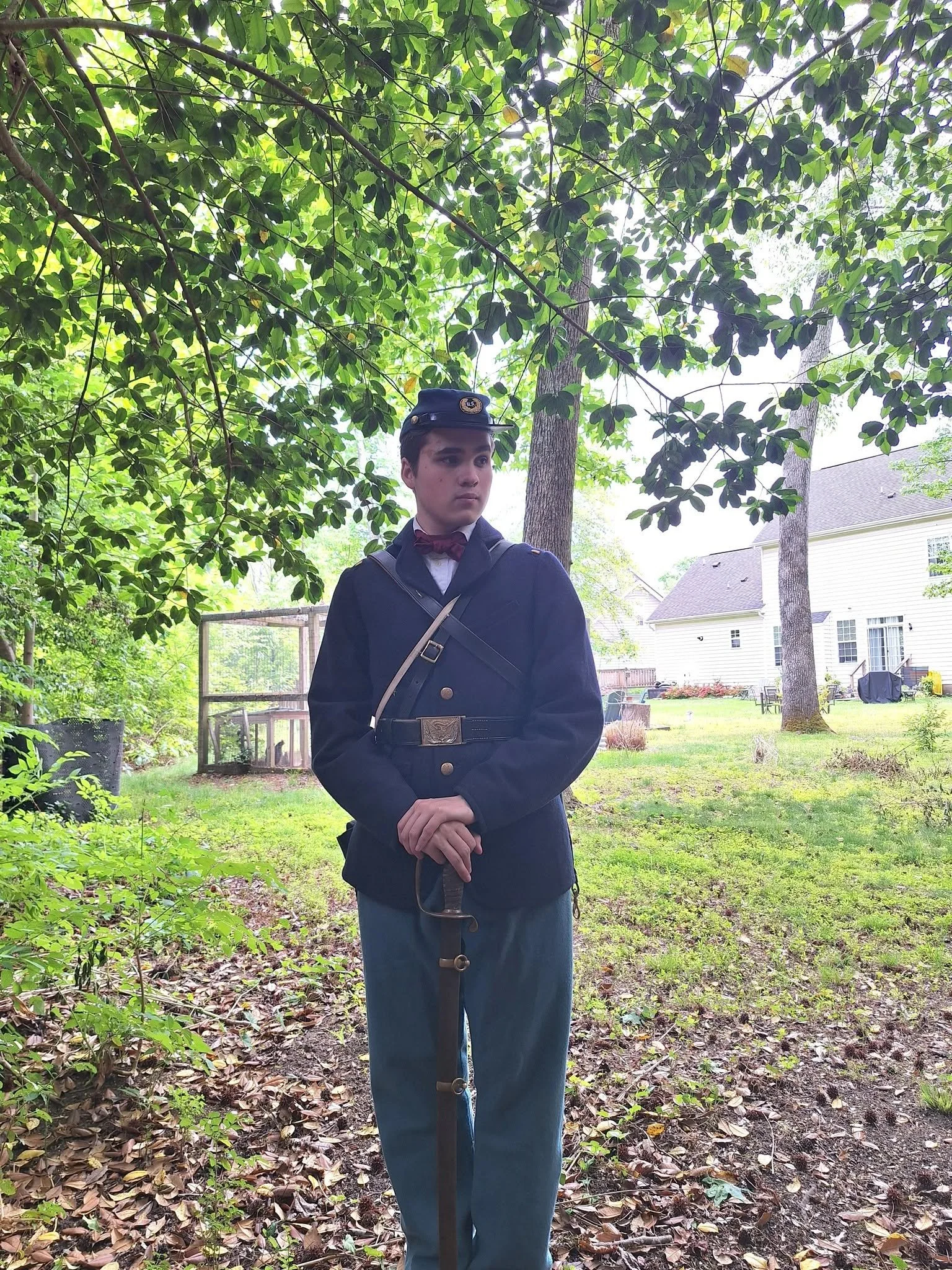
Jacob L. T. Bates — Writer and Director
Jacob conceived, adapted, and directed Killed at Resaca at nineteen. He is from Stonington, Connecticut, graduated from The Williams School, and entered Denison University in 2025 to study American history. His work combines historical research, screenwriting, editing, nineteenth-century music, Civil War living history, and filmmaking.
He has directed and edited through History Boy Productions since 2017 and has served as media manager for the recreated 8th Connecticut Volunteers, Company A. In 2025 he became lead intern and editor at Historical Films Inc., working with Brad Graham. In 2026 he also served as a Research Associate on a project involving proposed revisions to the bylaws of the Smithsonian Institution’s Center for Folklife and Cultural Heritage Advisory Council.
Earlier screen work includes Into the Wilderness, All for the Union, and A Devilish Entanglement: Battle of the Wilderness.
Marian Mendenhall’s butler — Jay Scott Barrick.
Federal infantry casting and organization — Javan Harrell.
Local hospitality and production support — Charette Byers, Terri Scott, and Paula Smith helped sustain cast and crew with food, water, hospitality, facility care, supplies, and practical assistance.
Photographic contribution — Carolyn Ivanoff visited the Langdon Hill House production and supplied photographs from the day.
Local museum, historic-site, and preservation connections included John Gorman, Lee Royer, and Darwin Seiler of the Friends of Monterey Pass Battlefield, as well as people associated with Maryland Sutler, the Lincoln Train Museum, and Langdon Hill House. Together, they provided locations, historical resources, material support, hospitality, and other assistance to the production.
The definitive community and support list is still being compiled. Additional names and confirmed credits are forthcoming.